Minnesota · Real estate search
Little Canada, MN Real Estate
Little Canada can offer more than one version of a comfortable home, from a private yard to an attached property with shared responsibilities. I help buyers and sellers understand the particular ownership arrangement and the local setting that gives it value.
Little CanadaFind a place for what comes next.
A local perspective
Little Canada Real Estate Market Snapshot
- Active Listings
- 40 Active listings
- Pending Sales
- 4 Under contract
- Total Listings
- 44 Active + pending
- Residential
- 36 Homes, condos & townhomes
- Land & Lots
- 2 Active listings
- Commercial
- 2 Active listings
Last checked:
The search starts here
Little Canada Real Estate Listings
Refine the active Little Canada real estate listings by property type, price, bedrooms, and bathrooms. Open a listing to review its photos, features, location, and available showing information.
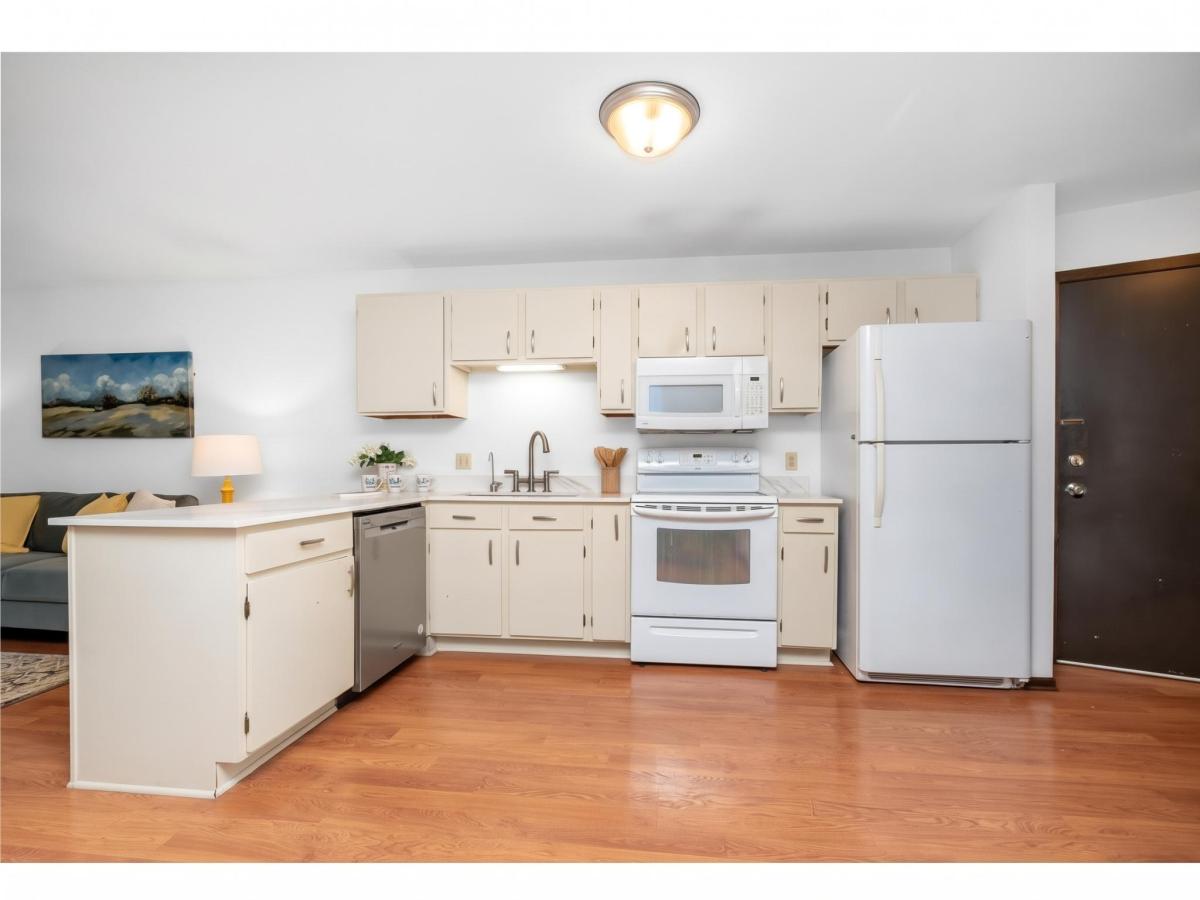
135 Viking E Drive #110, Little Canada, MN 55117ActiveRE/MAX Results
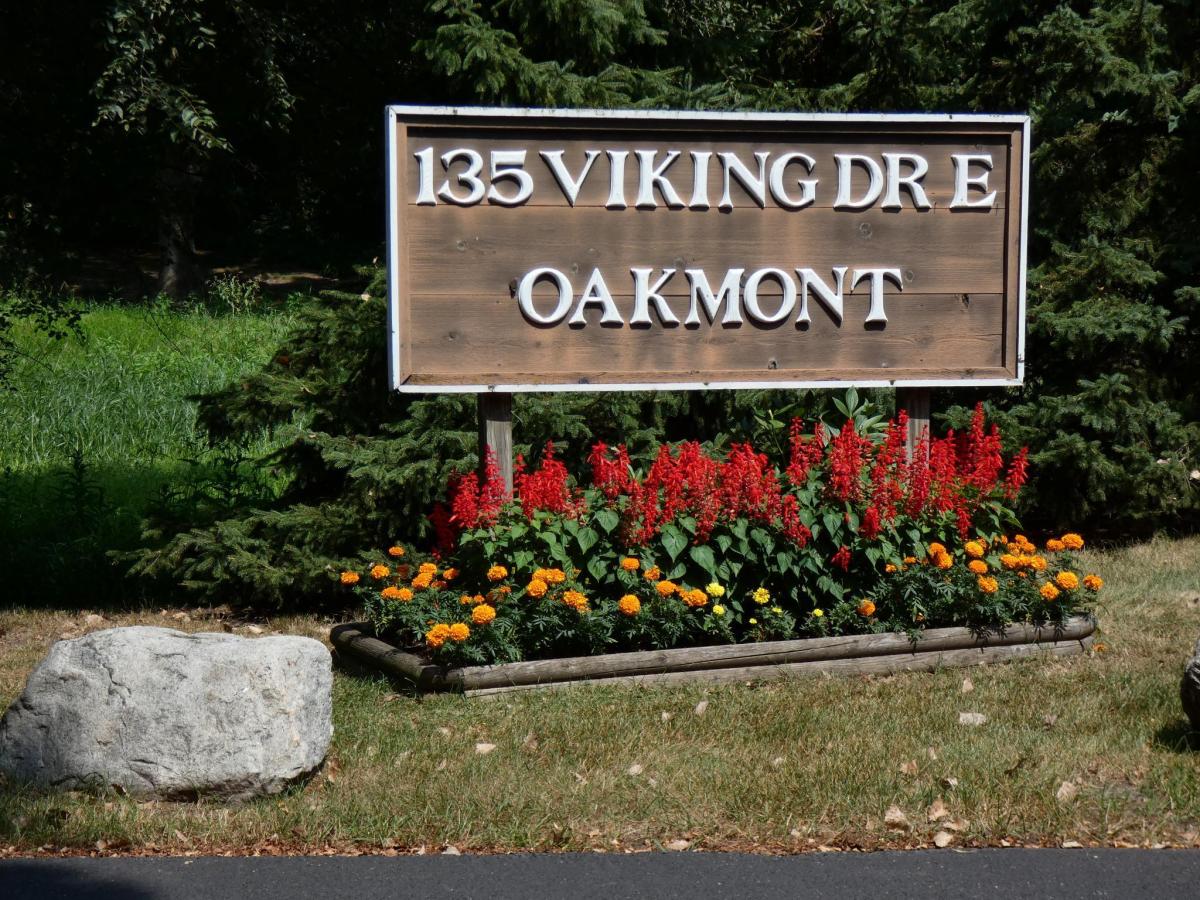
- MLS® #: NST7132219
- 135 Viking E Drive #110
- Little Canada MN 55117
- $139,900$
- 1 Bed | 1 Bath | 1,001 SqFt
- 0 Acres
Fantastic opportunity to purchase a well cared for nicely updated condo. Large room sizes. Newer kitchen sink and counter tops. Eat-in kitchen area…
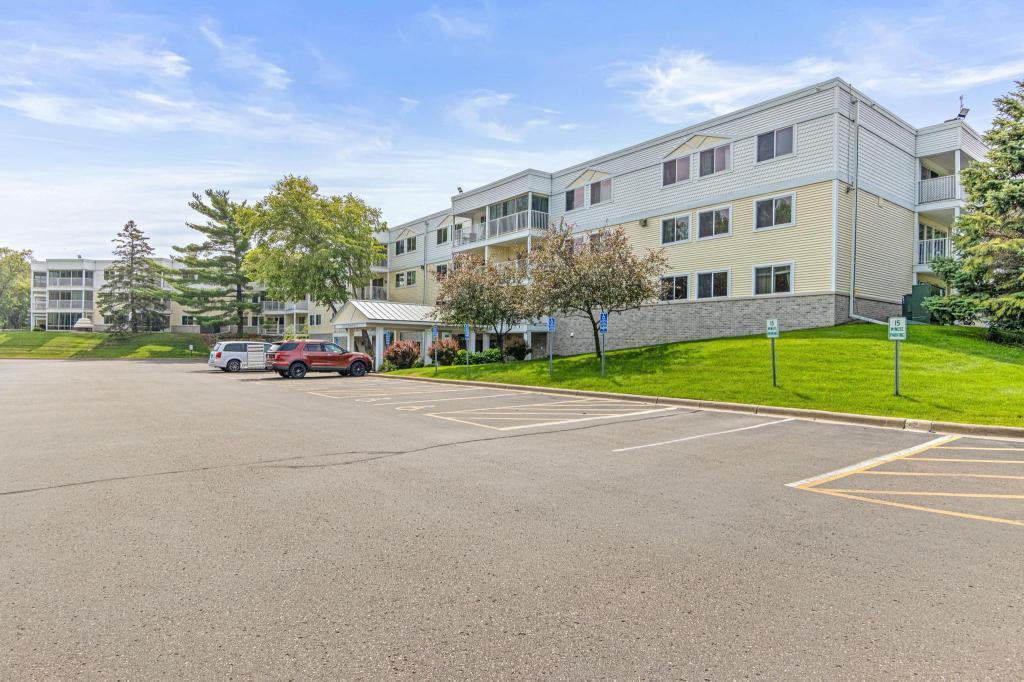
175 County Road B2 E #429, Little Canada, MN 55117ActiveRES Realty
- MLS® #: NST7154313
- 175 County Road B2 E #429
- Little Canada MN 55117
- $139,000$
- 2 Bed | 2 Bath | 925 SqFt
- 0 Acres
Well-maintained and move-in ready, this inviting 2-bedroom, 2-bath condo offers comfortable living with one underground parking space and access to ex…
132 Demont E Avenue #136, Little Canada, MN 55117ActiveEdina Realty, Inc.
- MLS® #: NST7161928
- 132 Demont E Avenue #136
- Little Canada MN 55117
- $134,900$
- 2 Bed | 2 Bath | 1,060 SqFt
- 8.61 Acres
Main level 2 bedroom/2 bath unit. Completely painted throughout. All new carpeting and kitchen floor installed in November of ’25. Large primary bedro…
45 Little Canada E Road, Little Canada, MN 55117ActiveDiversified Realty
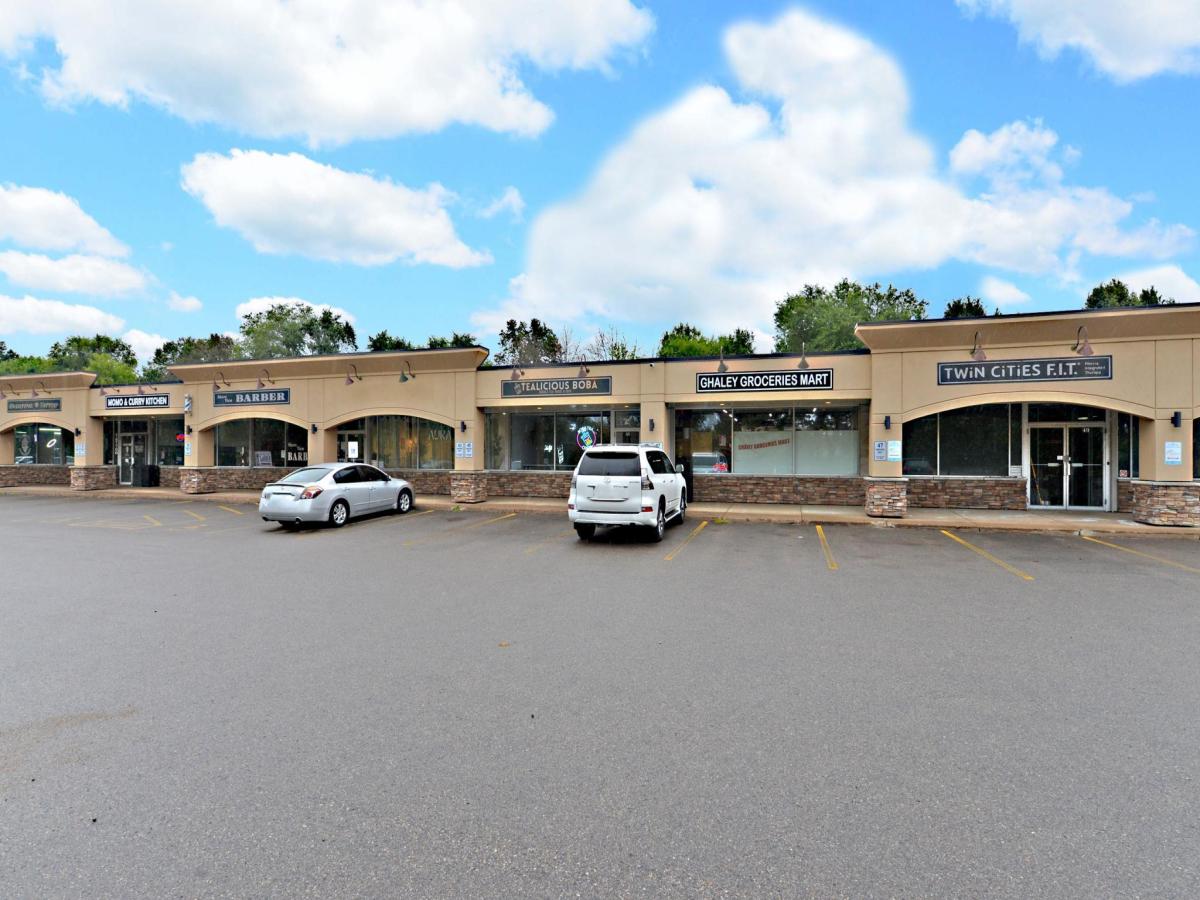
- MLS® #: NST7147735
- 45 Little Canada E Road
- Little Canada MN 55117
- $130,000$
- Bed | Bath | SqFt
- 0 Acres
Fantastic business opportunity with Tealicious Boba, conveniently located in a busy shopping strip just off I-35E N and Little Canada Road. This estab…
179 Little Canada E Road #139, Little Canada, MN 55117ActiveJPW Realty
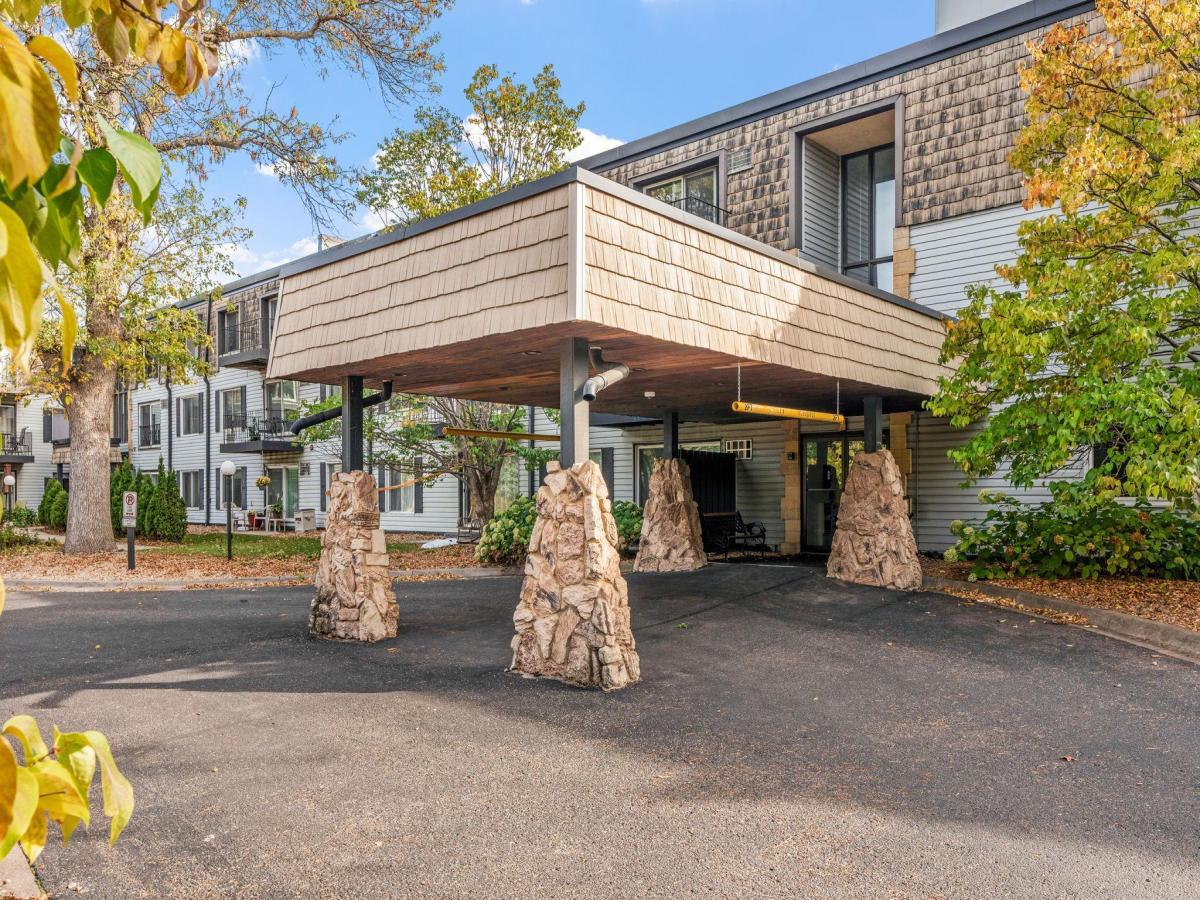
- MLS® #: NST7136022
- 179 Little Canada E Road #139
- Little Canada MN 55117
- $129,000$
- 2 Bed | 2 Bath | 957 SqFt
- 5.16 Acres
Welcome to this spacious 2-bedroom, 2-bathroom condo offering comfort, convenience, and a fantastic location! Step inside to find a bright and invitin…
130 Demont E Avenue #151, Little Canada, MN 55117ActiveRE/MAX Synergy
- MLS® #: NST7153409
- 130 Demont E Avenue #151
- Little Canada MN 55117
- $124,900$
- 2 Bed | 2 Bath | 986 SqFt
- 0 Acres
Welcome home to this 2bedroom 2 Bath unit with lots of amenities. This unit is located perfectly centered for all stairways, all party rooms and indoo…
2495 Canabury Drive #230, Little Canada, MN 55117ActiveEdina Realty, Inc.
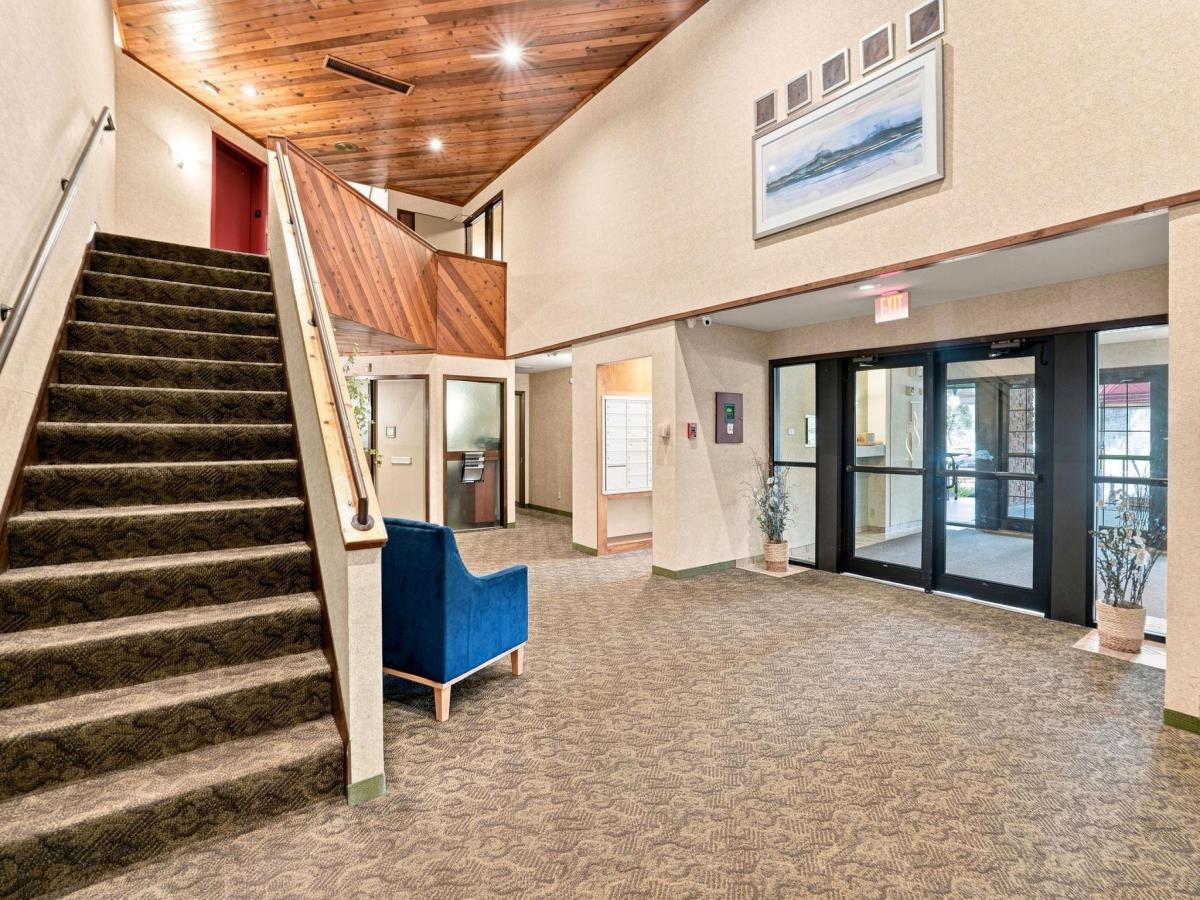
- MLS® #: NST7120394
- 2495 Canabury Drive #230
- Little Canada MN 55117
- $120,000$
- 2 Bed | 1 Bath | 1,215 SqFt
- 0.03 Acres
This 2-bedroom, spacious condo is all yours. Enjoy your morning coffee or enjoy a glass of wine as you unwind in the fabulous 3 season porch. Open con…
130 Demont E Avenue #144, Little Canada, MN 55117ActiveWelcome Home Productions, LLC
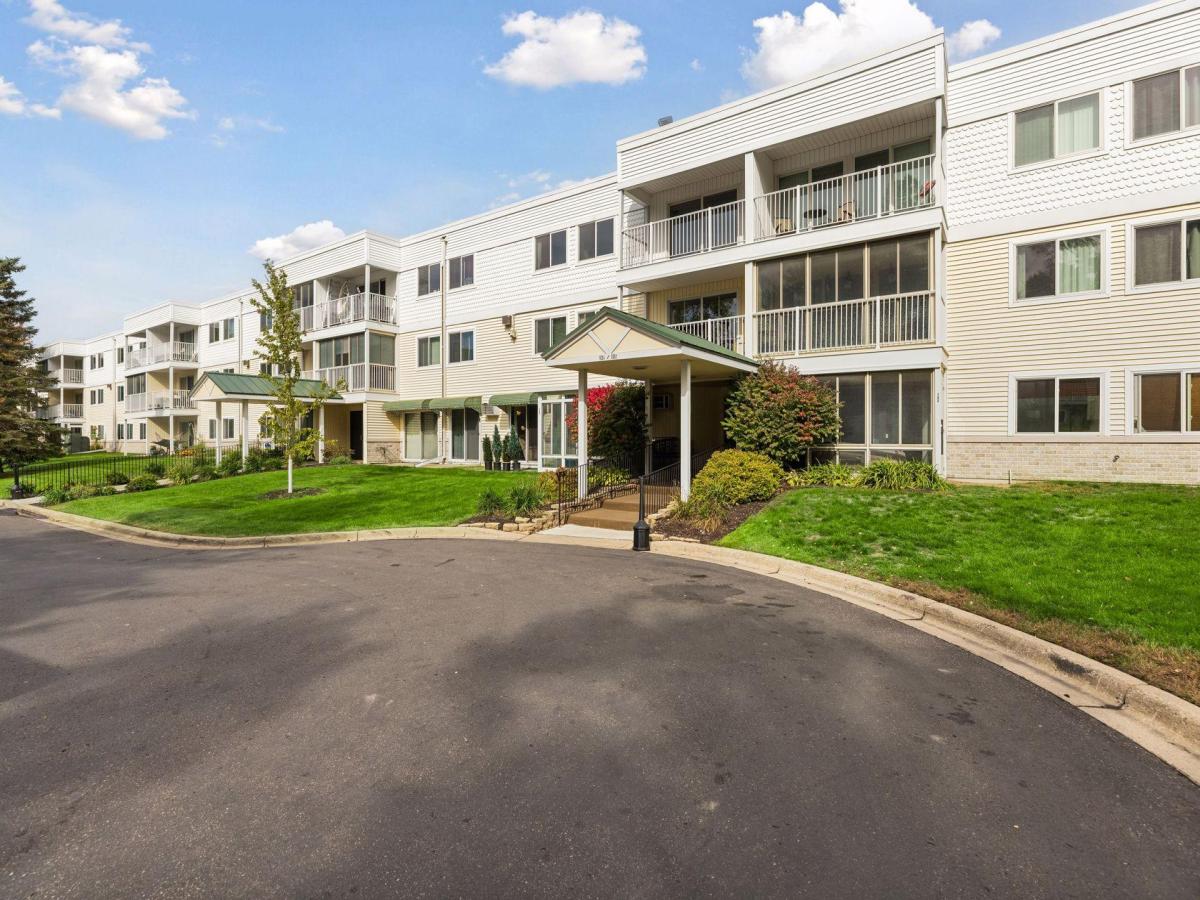
- MLS® #: NST7156365
- 130 Demont E Avenue #144
- Little Canada MN 55117
- $85,000$
- Bed | 1 Bath | 300 SqFt
- 8.61 Acres
Welcome Home to Canabury Square, where small-space living comes with BIG amenities! This charming 300 sq ft efficiency offers easy, low-maintenance li…
175 County Road B2 E #101A, Little Canada, MN 55117ActiveEdina Realty, Inc.
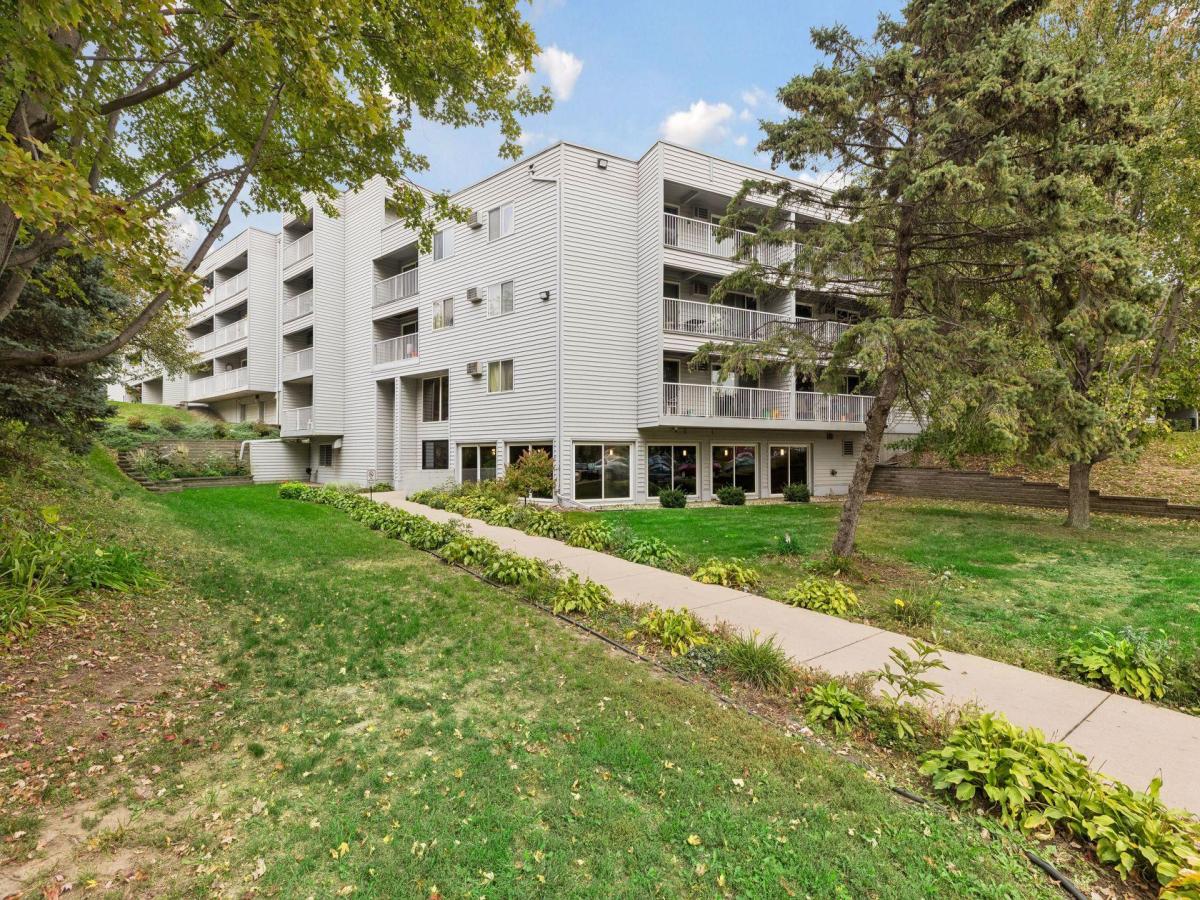
- MLS® #: NST7159531
- 175 County Road B2 E #101A
- Little Canada MN 55117
- $79,900$
- Bed | 1 Bath | 410 SqFt
- 0 Acres
WOW- check out this great studio condo in a wonderful building in prime location! First floor, south facing efficiency with tons of possibilities! Ne…
3020 Rice Street #C29, Little Canada, MN 55113ActiveReal Broker, LLC
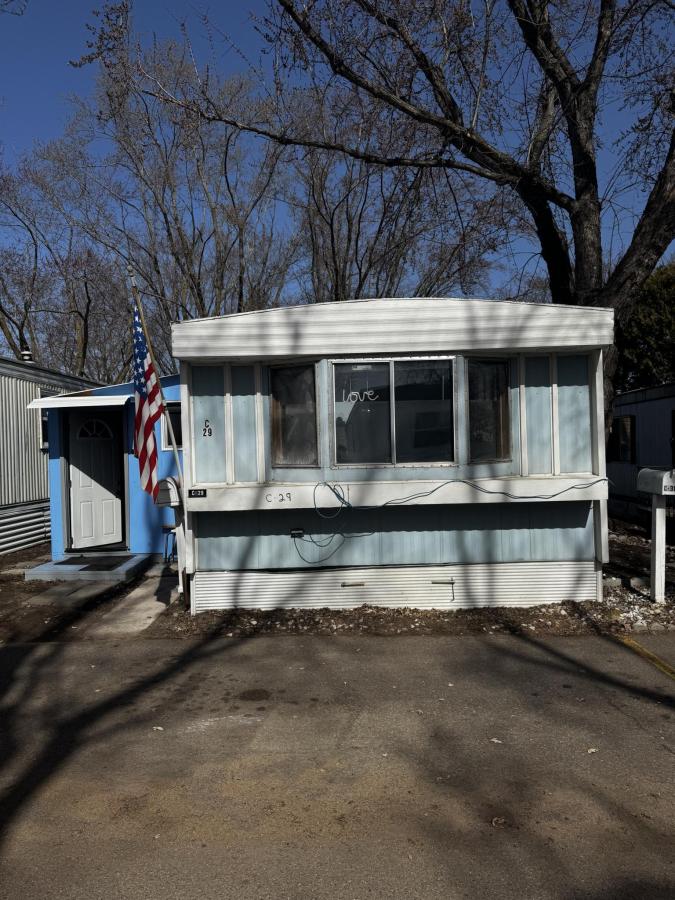
- MLS® #: NST7142044
- 3020 Rice Street #C29
- Little Canada MN 55113
- $36,000$
- 2 Bed | 1 Bath | 700 SqFt
- 0.02 Acres
Welcome to this 2 bedroom, 1 bathroom manufactured home located in Thirty-Twenty Estates, a 55+ community in Little Canada. Built in 1973, this approx…
The data relating to real estate for sale on this site comes from the Northstar MLS as distributed by MLS GRID. All data is obtained from various sources and may not have been verified by broker or MLS GRID. Supplied Open House Information is subject to change without notice. All information should be independently reviewed and verified for accuracy.
IDX information is provided exclusively for consumers personal noncommercial use, that it may not be used for any purpose other than to identify prospective properties consumers may be interested in purchasing, that the data is deemed reliable but is not guaranteed by MLS GRID, and that the use of the MLS GRID Data may be subject to an end user license agreement prescribed by the Member Participants applicable MLS if any and as amended from time to time. MLS GRID may, at its discretion, require use of other disclaimers as necessary to protect Member Participant, and/or their MLS from liability.
All properties are subject to prior sale, changes, or withdrawal.
This site was last updated 10-30-2026 11:38:15 AM.