Minnesota · Real estate search
Hanover, MN Real Estate
Hanover's river setting and position across two counties make the individual address important to a home search. I help buyers compare the home's design, services, and daily routes while helping sellers present the qualities their particular property delivers.
HanoverFind a place for what comes next.
A local perspective
Hanover Real Estate Market Snapshot
- Active Listings
- 41 Active listings
- Pending Sales
- 8 Under contract
- Total Listings
- 49 Active + pending
- Residential
- 37 Homes, condos & townhomes
- Land & Lots
- 4 Active listings
- Commercial
- 0 Active listings
Last checked:
The search starts here
Hanover Real Estate Listings
Refine the active Hanover real estate listings by property type, price, bedrooms, and bathrooms. Open a listing to review its photos, features, location, and available showing information.
284 Emmy Lane, Hanover, MN 55341ActiveJPW Realty
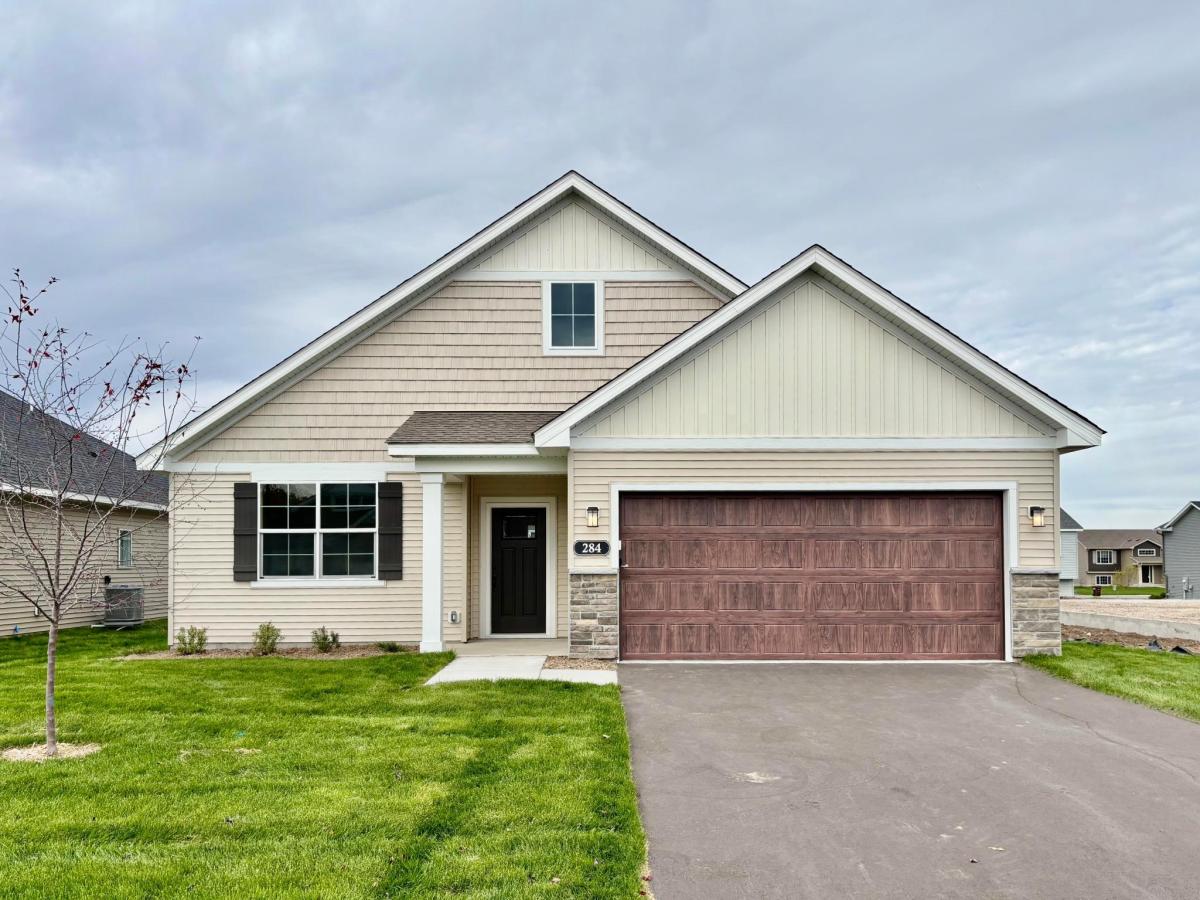
- MLS® #: NST7156933
- 284 Emmy Lane
- Hanover MN 55341
- $409,900$
- 2 Bed | 2 Bath | 1,794 SqFt
- 0.16 Acres
Move in NOW! Come experience the small-town charm of Hanover, MN in this incredible single level home here in The Villas at River''s Edge! Step…
707 Vista Court, Hanover, MN 55341ActiveLennar Sales Corp
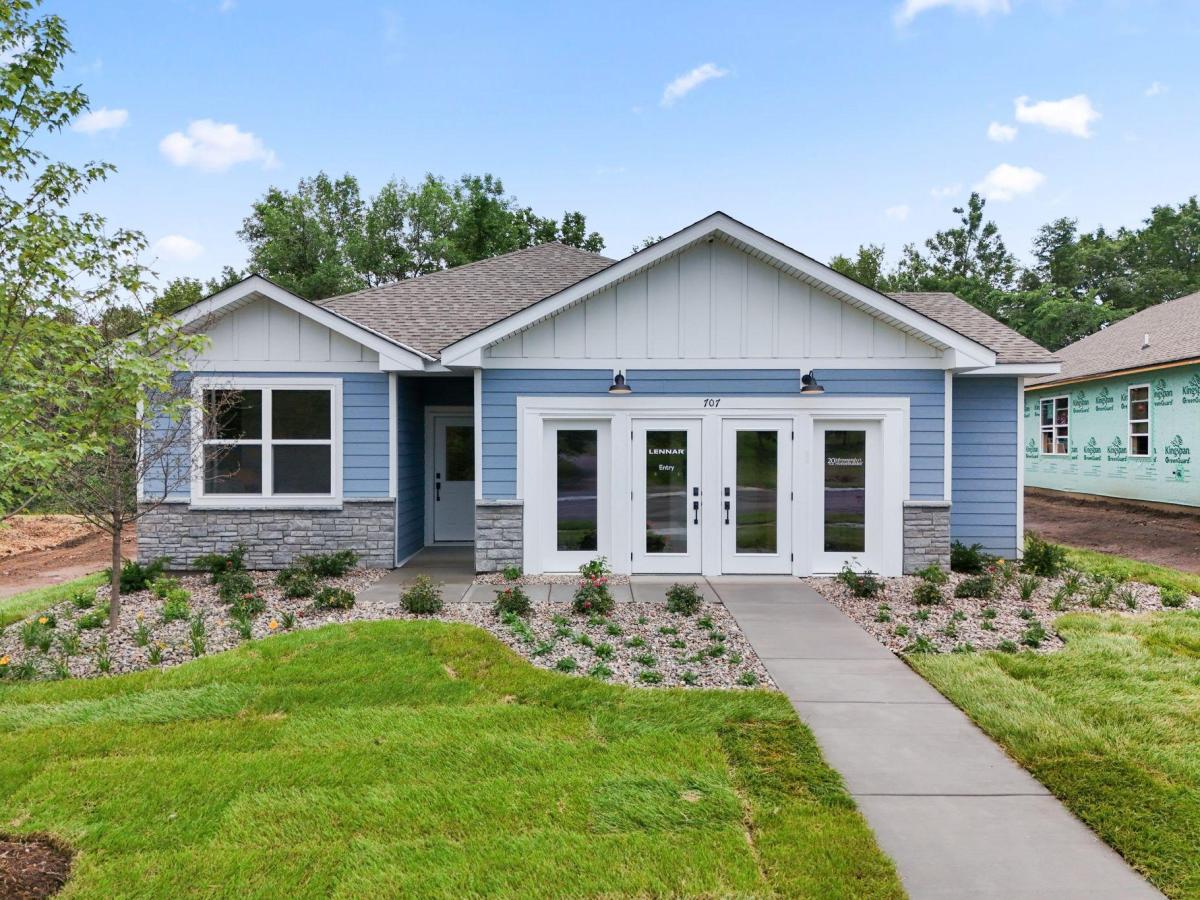
- MLS® #: NST7075092
- 707 Vista Court
- Hanover MN 55341
- $391,600$
- 2 Bed | 2 Bath | 1,321 SqFt
- 0.2 Acres
MODEL (NOT FOR SALE) Welcome to Highland Vistas, an exclusive community of low-maintenance, one-level villa homes in Hanover, MN. Beautiful homesites …
290 Emmy Lane, Hanover, MN 55341ActiveJPW Realty
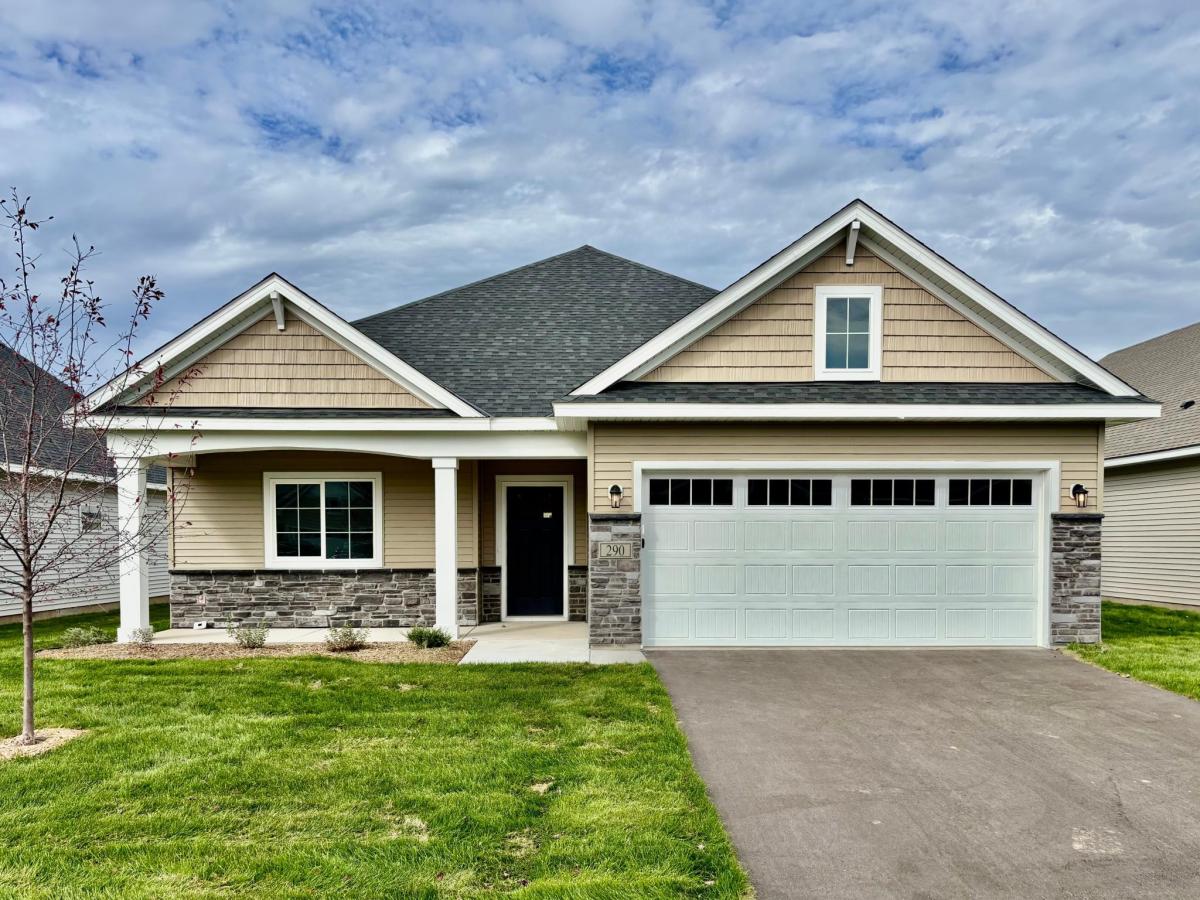
- MLS® #: NST7156938
- 290 Emmy Lane
- Hanover MN 55341
- $387,900$
- 3 Bed | 2 Bath | 1,596 SqFt
- 0.16 Acres
Move in NOW! Come experience single level living at its finest! The Villas at River''s Edge offers this beautiful Madison home, part of a colle…
750 Vista Court, Hanover, MN 55341ActiveLennar Sales Corp
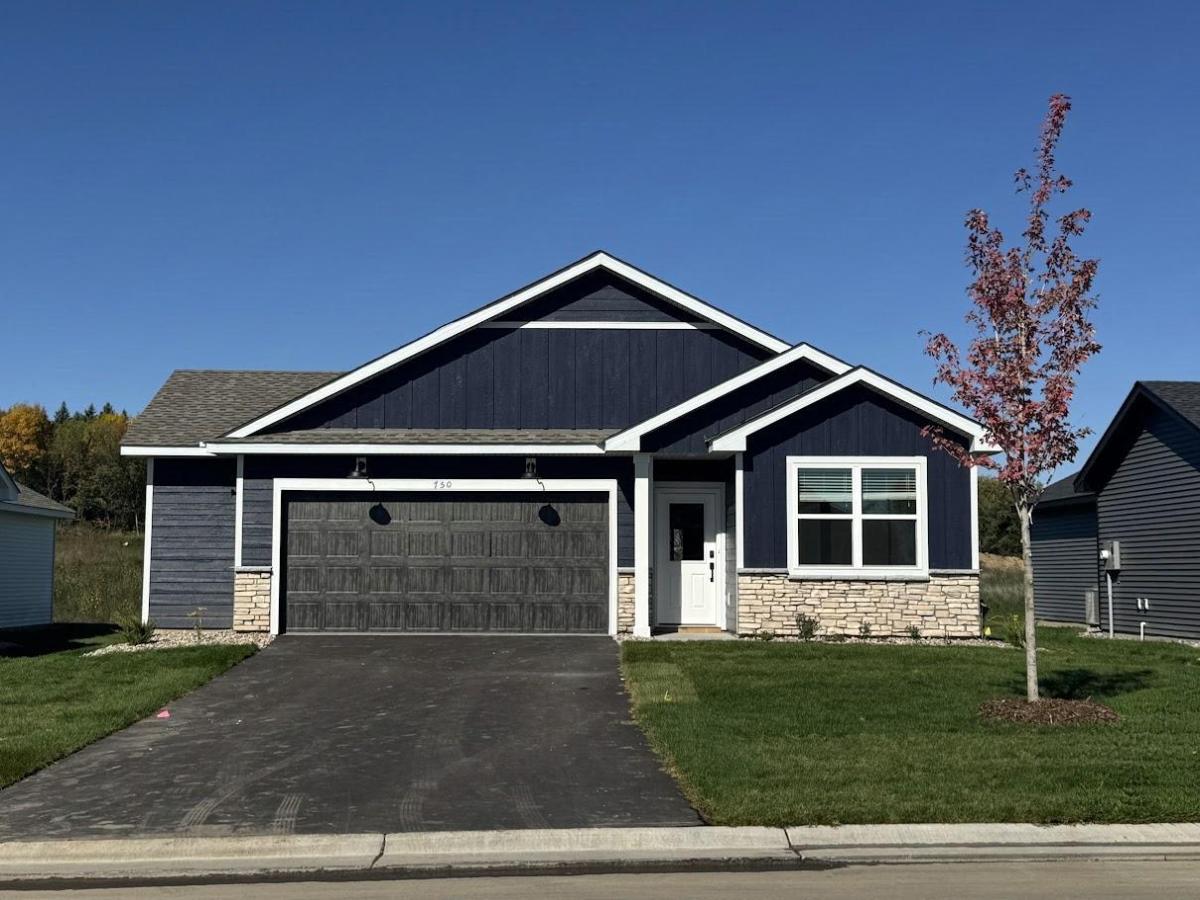
- MLS® #: NST7148431
- 750 Vista Court
- Hanover MN 55341
- $359,990$
- 3 Bed | 2 Bath | 1,514 SqFt
- 0.2 Acres
Move-in ready! Welcome to Highland Vistas, an exclusive community of just 26 HOA-maintained, one-level villa homes in Hanover, MN. With only a limited…
10761 Crow Hassan Park Road, Hanover, MN 55341ActiveRE/MAX Results
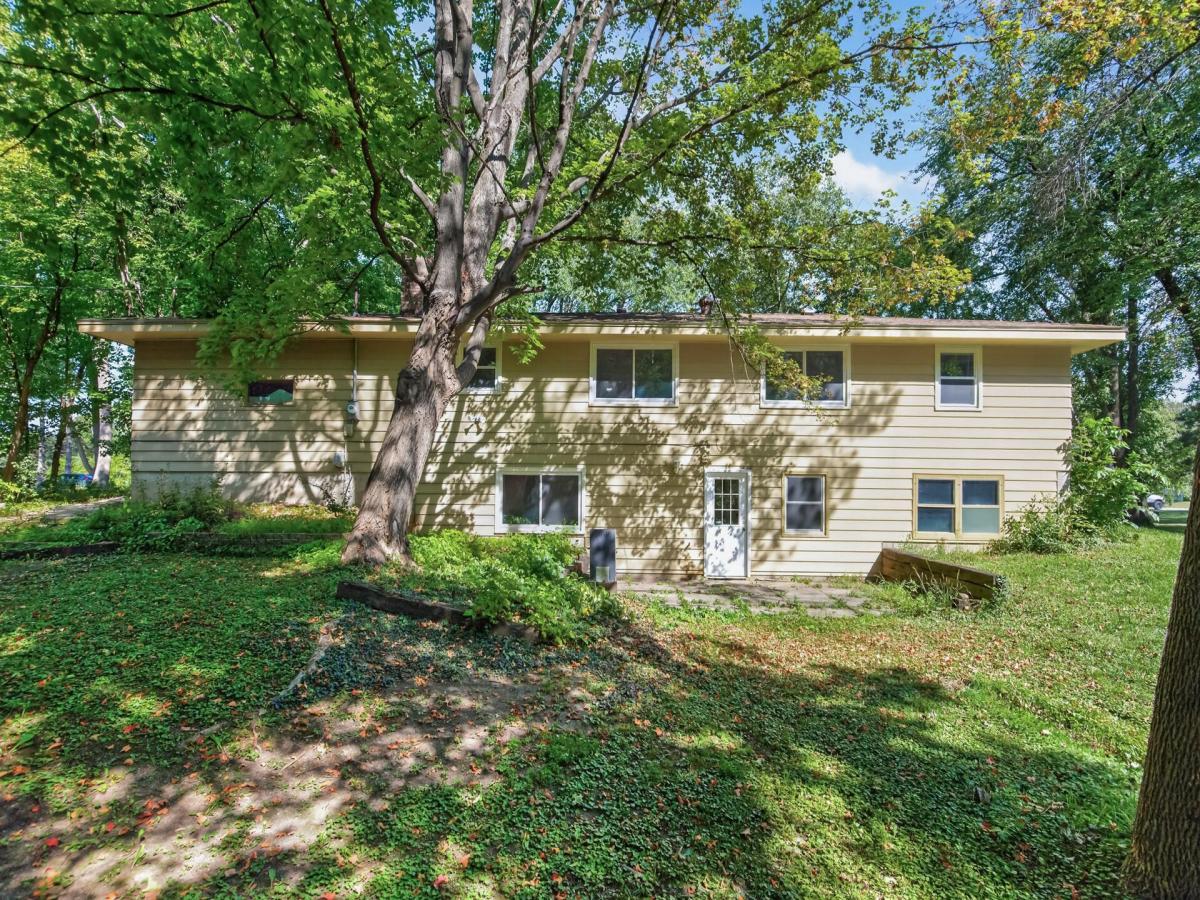
- MLS® #: NST7131799
- 10761 Crow Hassan Park Road
- Hanover MN 55341
- $350,000$
- 4 Bed | 2 Bath | 1,870 SqFt
- 2.31 Acres
Set on a beautiful 2.31-acre lot surrounded by mature trees, this Hanover property offers the setting and space you''ve been looking for—…
741 Vista Court, Hanover, MN 55341ActiveLennar Sales Corp
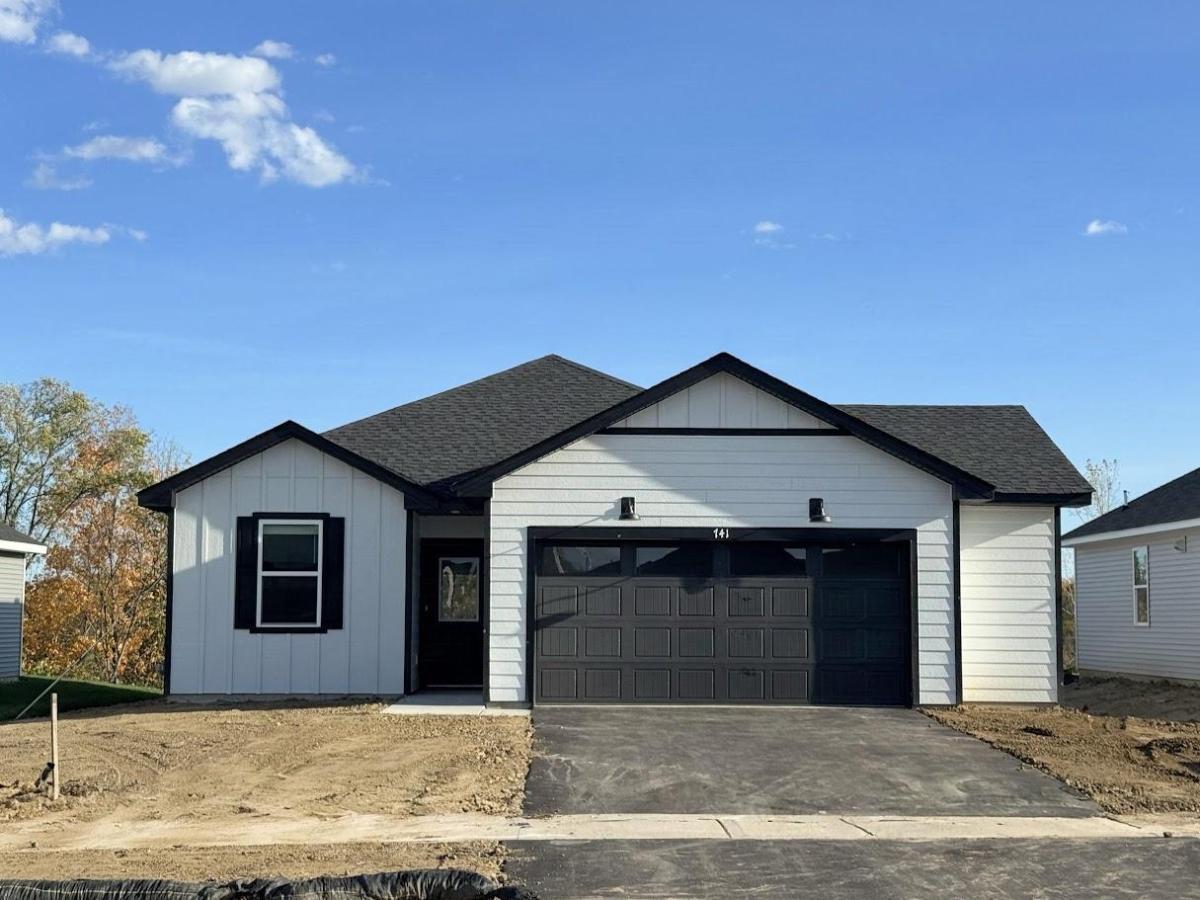
- MLS® #: NST7098478
- 741 Vista Court
- Hanover MN 55341
- $349,990$
- 2 Bed | 2 Bath | 1,294 SqFt
- 0.2 Acres
Ask about how to qualify for $5,000 with the use of the Seller''s Preferred Lender! This home is move-in ready! Welcome to Highland Vistas, an …
9693 Jasmine NE Avenue, Hanover, MN 55341ActiveLennar Sales Corp
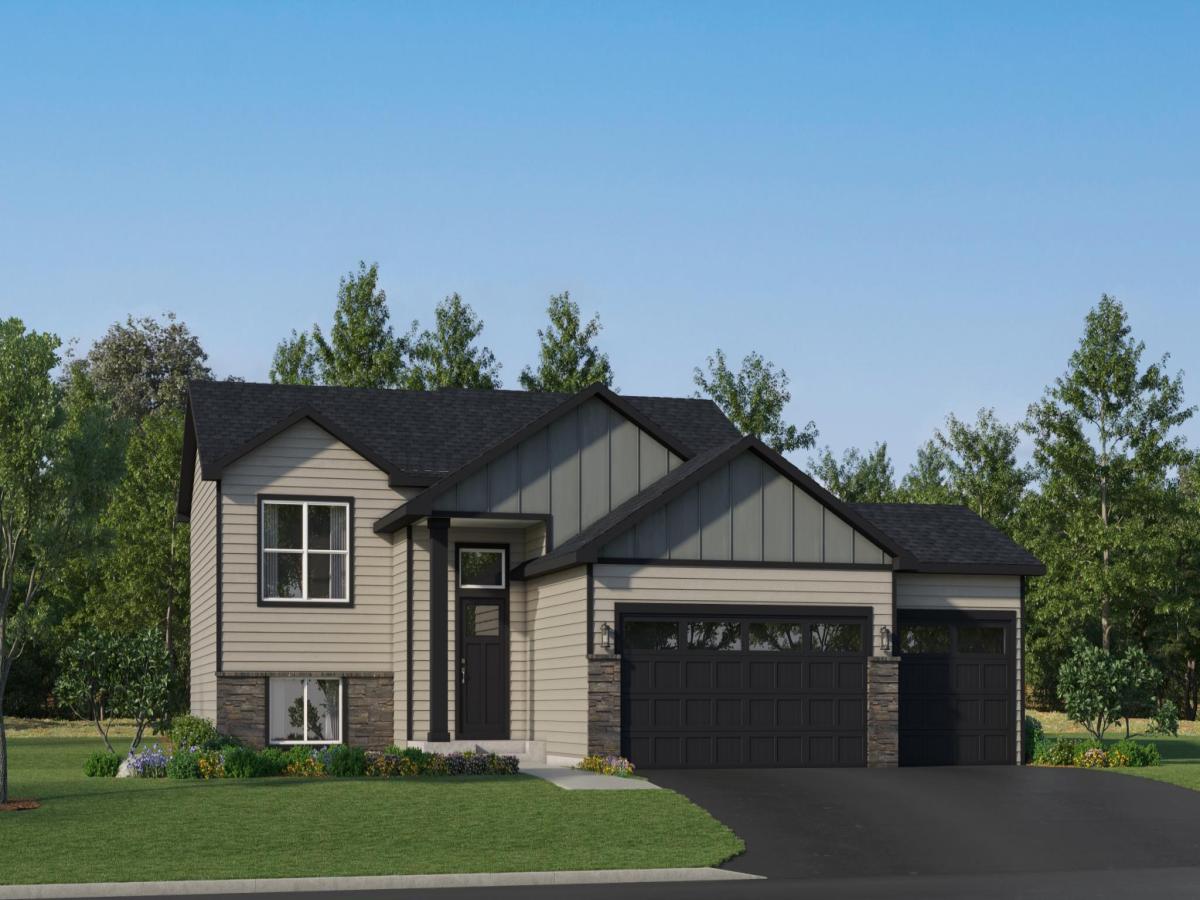
- MLS® #: NST7109916
- 9693 Jasmine NE Avenue
- Hanover MN 55341
- $349,990$
- 3 Bed | 2 Bath | 1,273 SqFt
- 0.2 Acres
Ask about how to qualify for $5,000 with the use of the Seller''s Preferred Lender! Under construction and ready in November! Step inside this …
10485 4th NE Street, Hanover, MN 55341ActivePrime Real Estate Services Ltd

- MLS® #: NST7143726
- 10485 4th NE Street
- Hanover MN 55341
- $255,000$
- Bed | Bath | SqFt
- 33.3 Acres
Great opportunity to build your dream home with your builder of choice. Fabulous views overlooking wetland on wooded private cul-de-sac. Large acreage…
10492 Kalland NE Lane, Hanover, MN 55341ActivePrime Real Estate Services Ltd
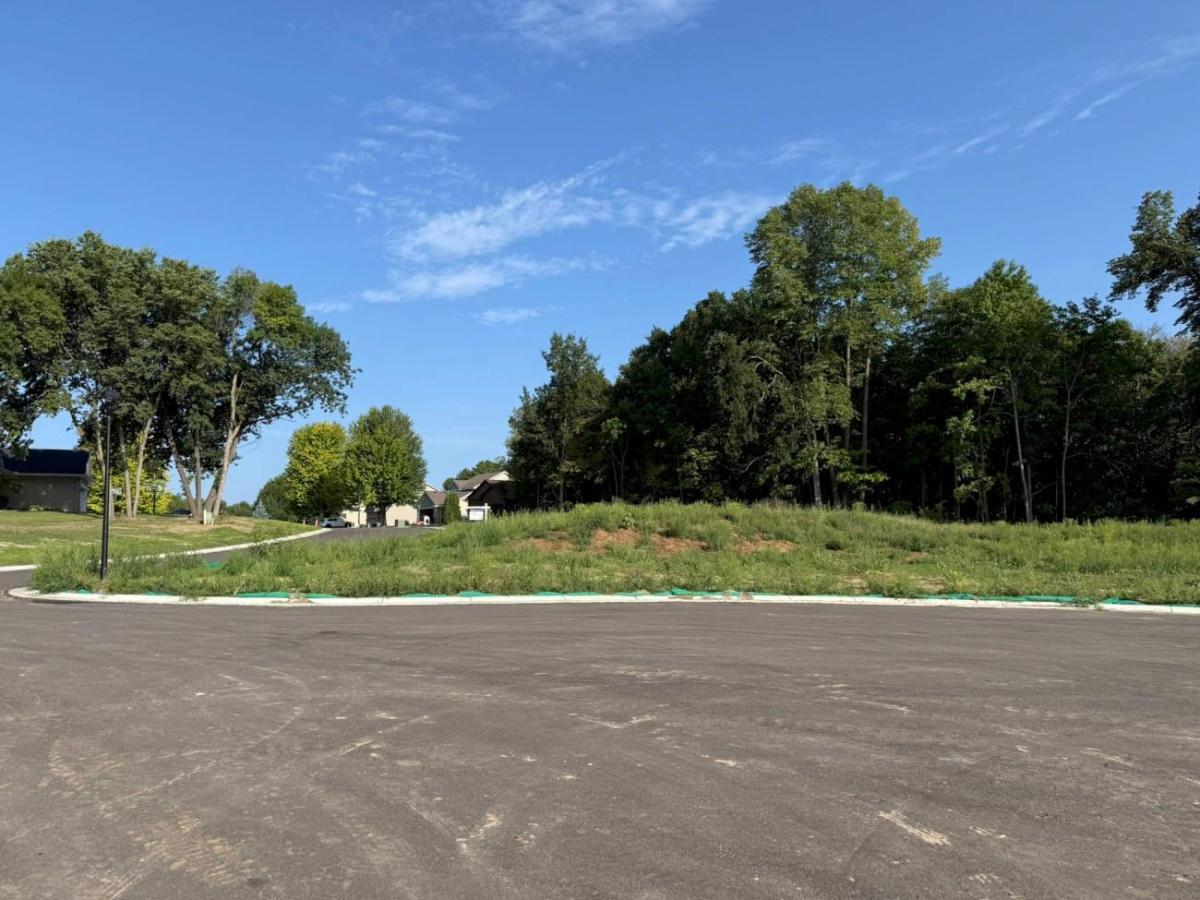
- MLS® #: NST7148367
- 10492 Kalland NE Lane
- Hanover MN 55341
- $225,000$
- Bed | Bath | SqFt
- 1.45 Acres
Build your brand-new custom dream home on this gorgeous, ready-to-build finished lot. Nestled within a highly desirable neighborhood, this premium hom…
2663 Weston Way, Hanover, MN 55341ActiveEdina Realty, Inc.
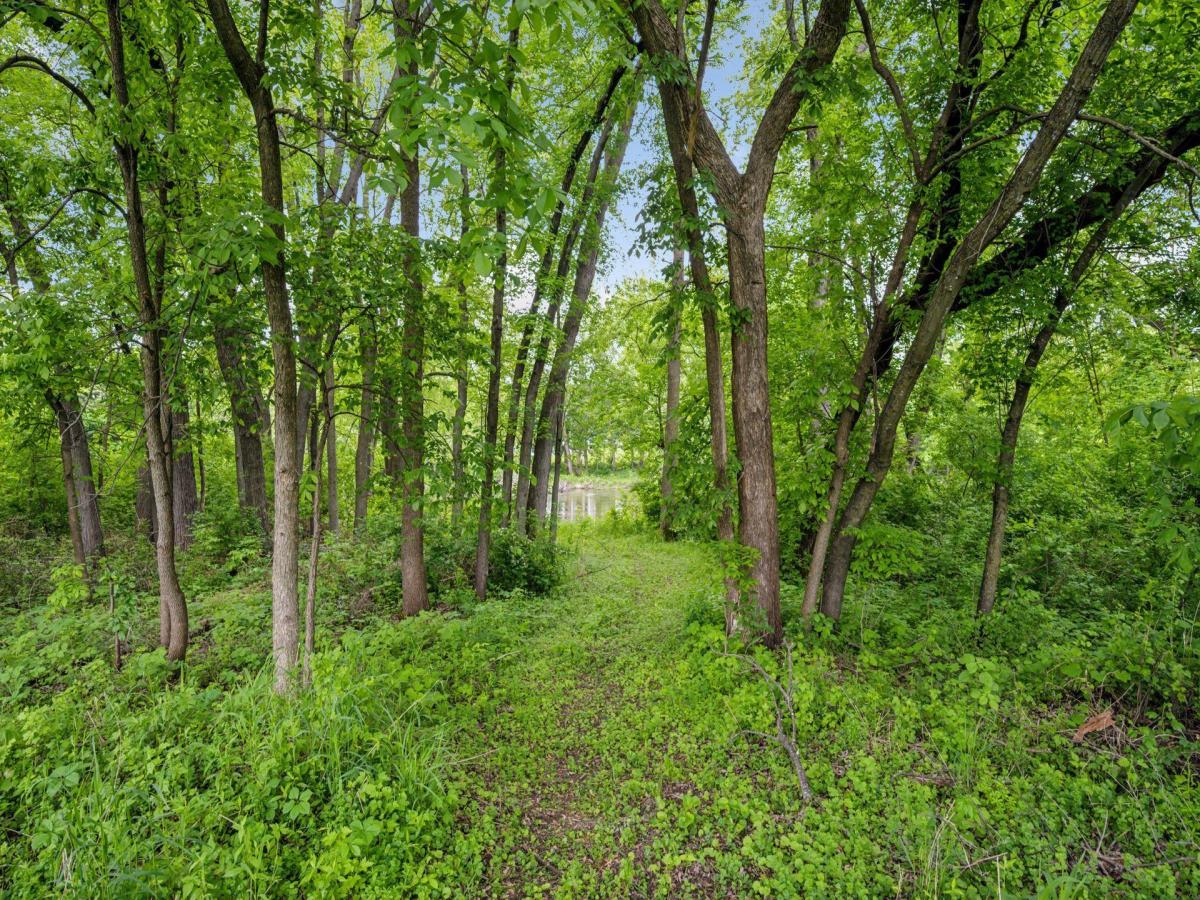
- MLS® #: NST7067215
- 2663 Weston Way
- Hanover MN 55341
- $199,900$
- Bed | Bath | SqFt
- 0.46 Acres
Welcome to the beautiful and scenic River Landing development. Located on the Crow River, these beautiful lots are just steps away from the cozy town …
2999 Weston Way, Hanover, MN 55341ActiveEdina Realty, Inc.
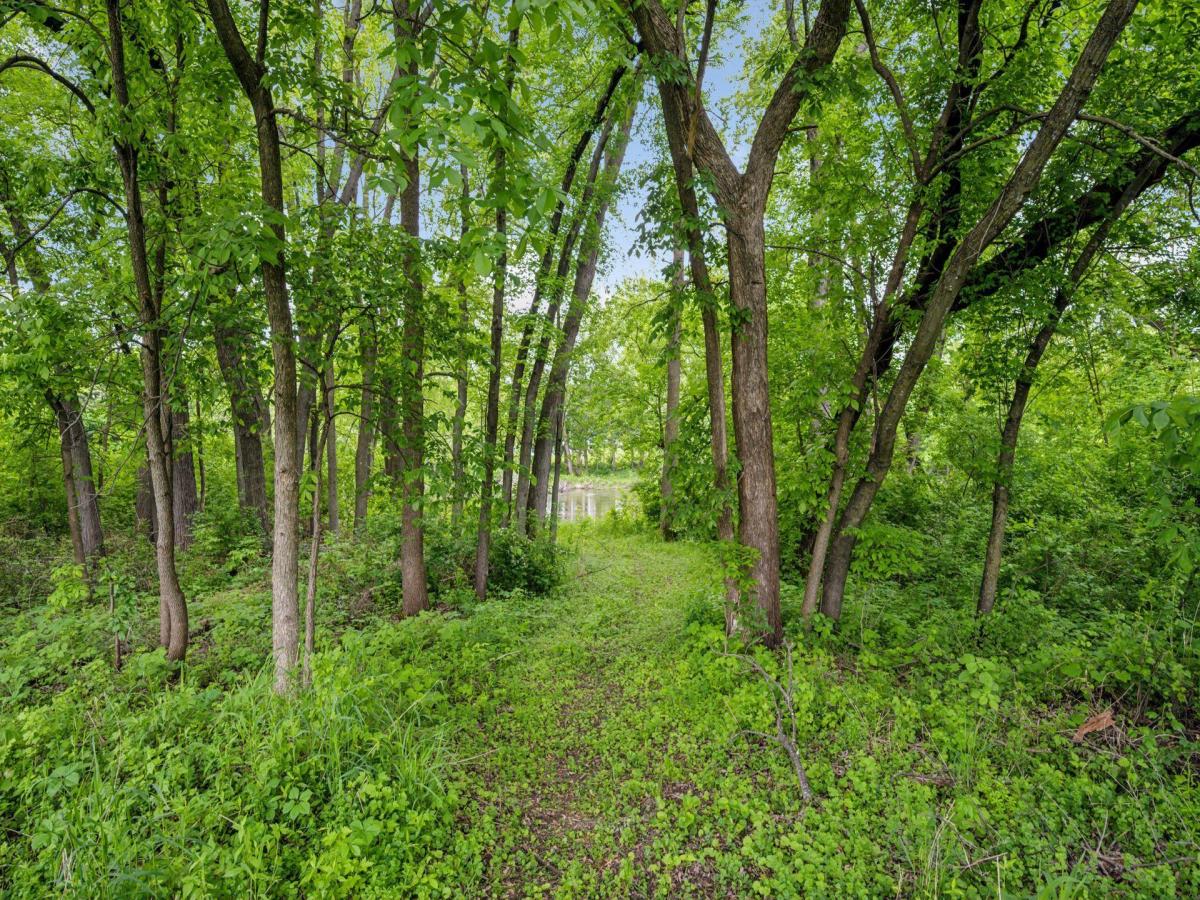
- MLS® #: NST7067196
- 2999 Weston Way
- Hanover MN 55341
- $197,900$
- Bed | Bath | SqFt
- 0.36 Acres
Welcome to the beautiful and scenic River Landing development. Located on the Crow River, these beautiful lots are just steps away from the cozy town …
The data relating to real estate for sale on this site comes from the Northstar MLS as distributed by MLS GRID. All data is obtained from various sources and may not have been verified by broker or MLS GRID. Supplied Open House Information is subject to change without notice. All information should be independently reviewed and verified for accuracy.
IDX information is provided exclusively for consumers personal noncommercial use, that it may not be used for any purpose other than to identify prospective properties consumers may be interested in purchasing, that the data is deemed reliable but is not guaranteed by MLS GRID, and that the use of the MLS GRID Data may be subject to an end user license agreement prescribed by the Member Participants applicable MLS if any and as amended from time to time. MLS GRID may, at its discretion, require use of other disclaimers as necessary to protect Member Participant, and/or their MLS from liability.
All properties are subject to prior sale, changes, or withdrawal.
This site was last updated 10-28-2026 3:58:56 PM.