Minnesota · Real estate search
Greenfield, MN Real Estate
Greenfield offers a Hennepin County search where the house, land and service arrangement can vary substantially from one property to the next. I help you define the outdoor space and daily connections you want, then compare the ownership responsibilities behind each appealing setting.
GreenfieldFind a place for what comes next.
A local perspective
Greenfield Real Estate Market Snapshot
- Active Listings
- 19 Active listings
- Pending Sales
- 4 Under contract
- Total Listings
- 23 Active + pending
- Residential
- 11 Homes, condos & townhomes
- Land & Lots
- 8 Active listings
- Commercial
- 0 Active listings
Last checked:
The search starts here
Greenfield Real Estate Listings
Refine the active Greenfield real estate listings by property type, price, bedrooms, and bathrooms. Open a listing to review its photos, features, location, and available showing information.
6100 Town Hall Drive, Greenfield, MN 55357ActiveRE/MAX Results
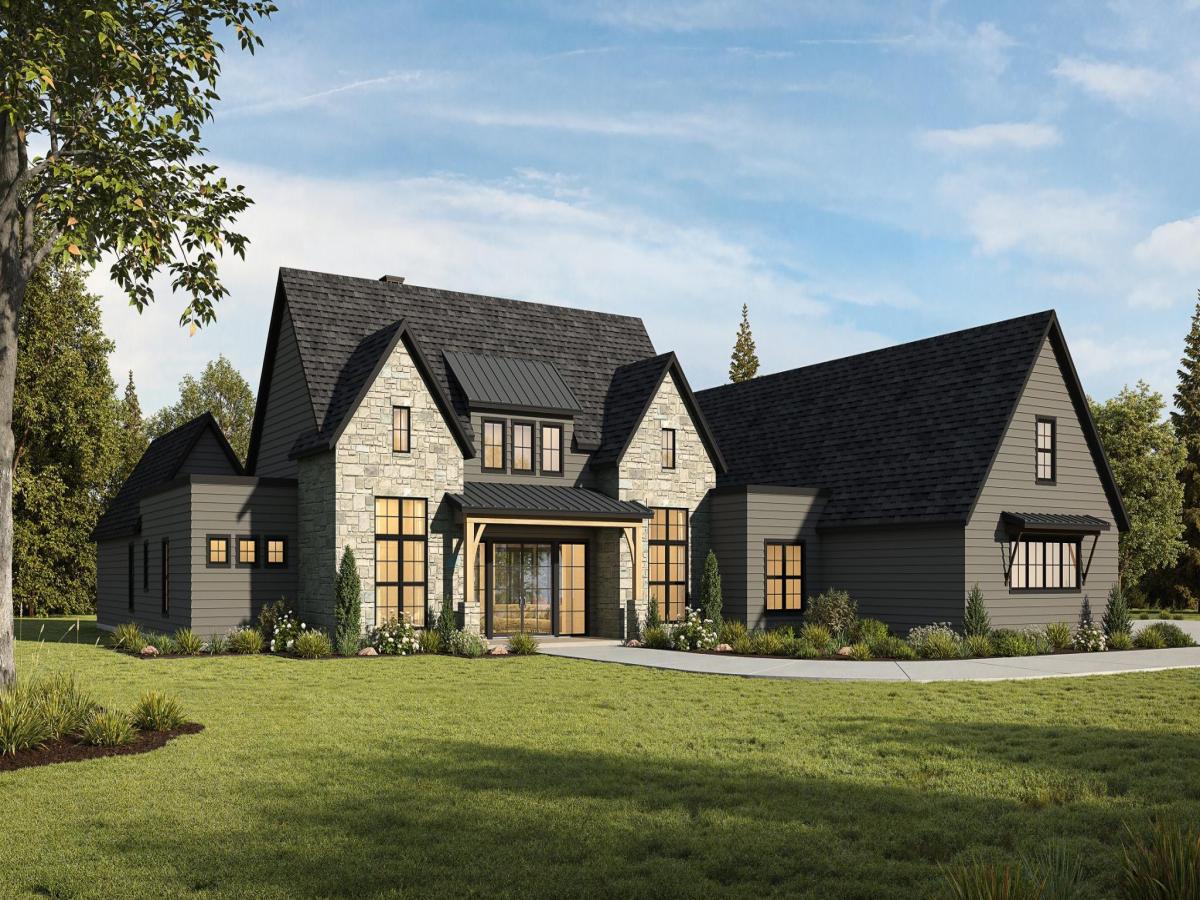
- MLS® #: NST7126817
- 6100 Town Hall Drive
- Greenfield MN 55357
- $4,100,000$
- 4 Bed | 4 Bath | 5,294 SqFt
- 11.78 Acres
Introducing The Blakely at Vintage Acres—a grand Transitional French Country residence where timeless architecture, organic textures and bold mo…
6200 Town Hall Drive, Greenfield, MN 55357ActiveRE/MAX Results
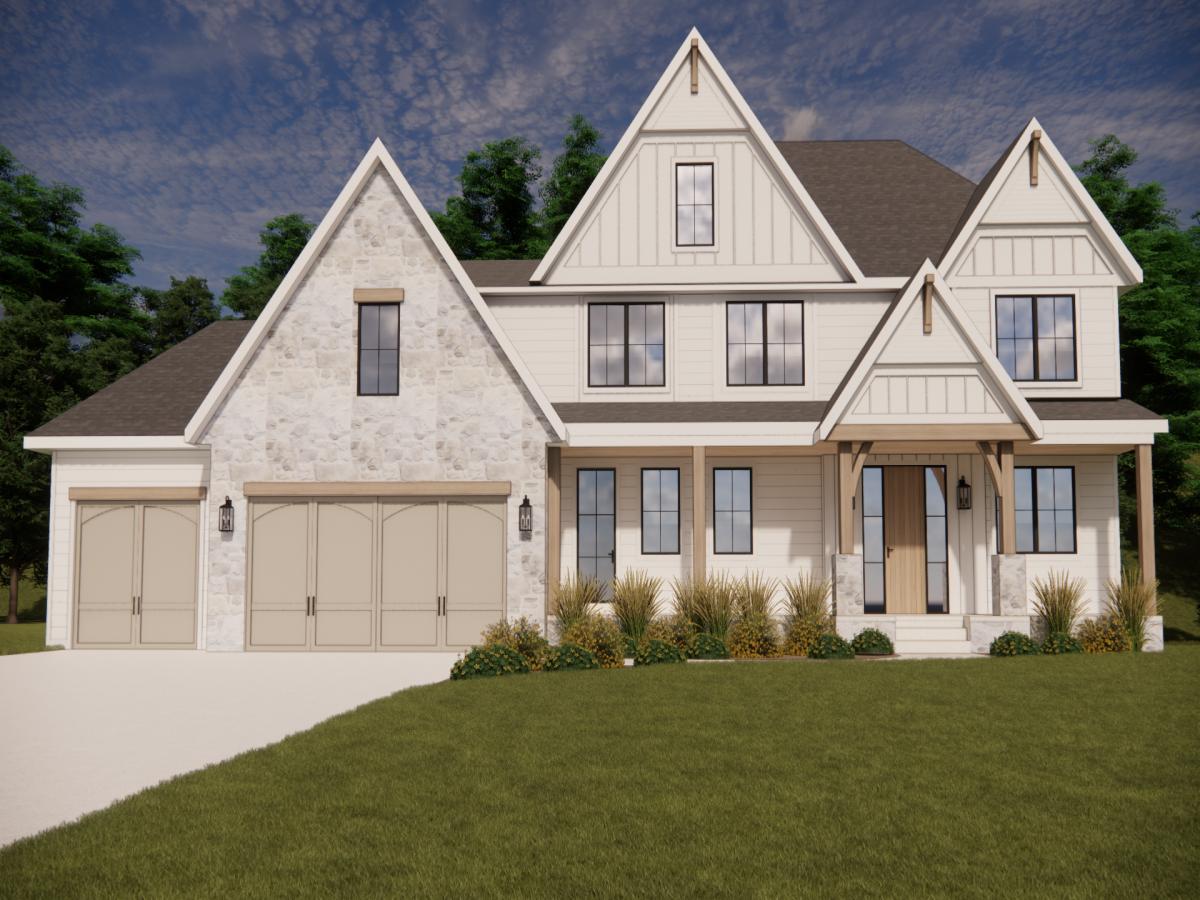
- MLS® #: NST7127056
- 6200 Town Hall Drive
- Greenfield MN 55357
- $2,995,000$
- 5 Bed | 5 Bath | 5,603 SqFt
- 5.01 Acres
Introducing The Genesis at Vintage Acres—a refined modern farmhouse where timeless architecture, warm wood accents and elevated everyday living …
6150 Town Hall Drive, Greenfield, MN 55357ActiveRE/MAX Results
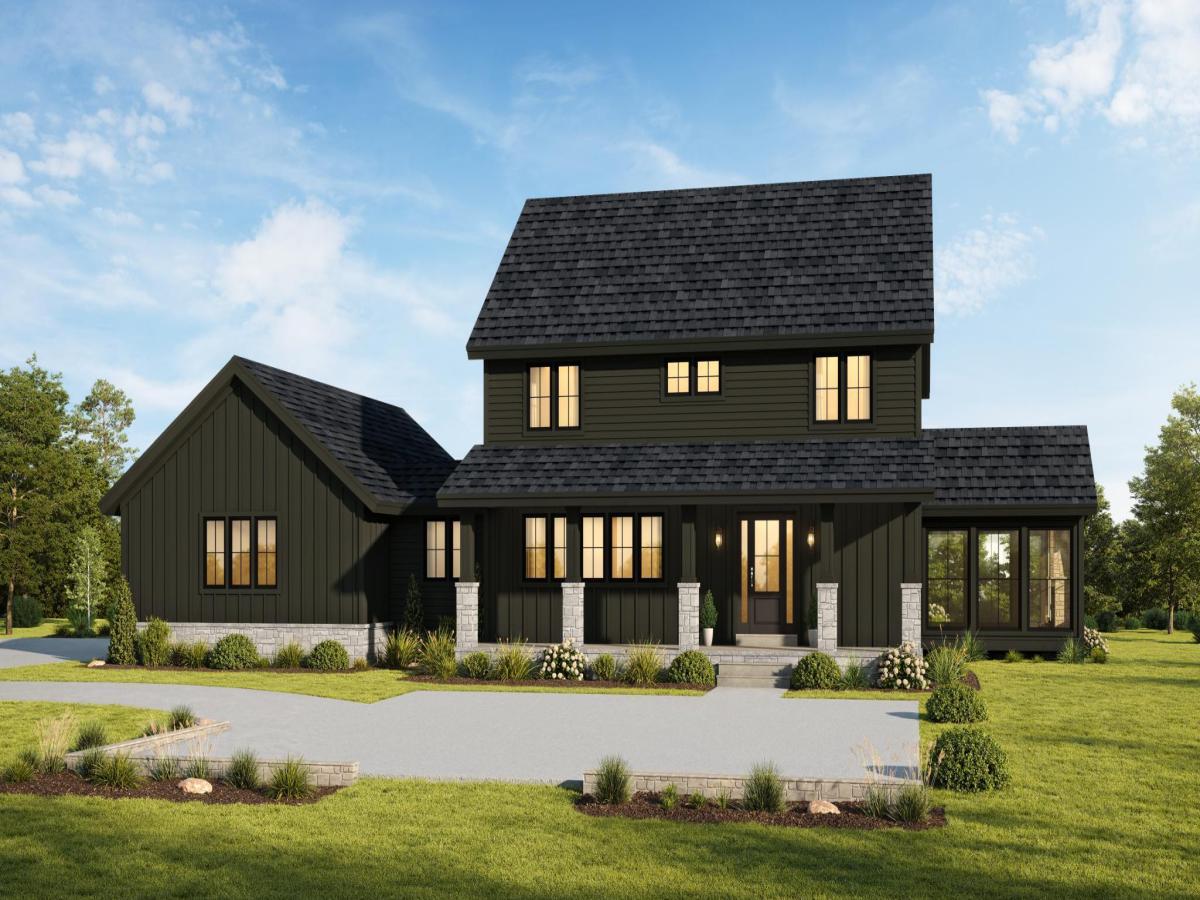
- MLS® #: NST7127113
- 6150 Town Hall Drive
- Greenfield MN 55357
- $2,895,000$
- 5 Bed | 4 Bath | 4,662 SqFt
- 6.28 Acres
Introducing The Nova at Vintage Acres – a striking custom residence where classic Craftsman architecture meets a dramatic, dark & moody, modern aesth…
7793 Ingram Street, Greenfield, MN 55357ActiveVanderlinde Group | Edge Realty, Inc.
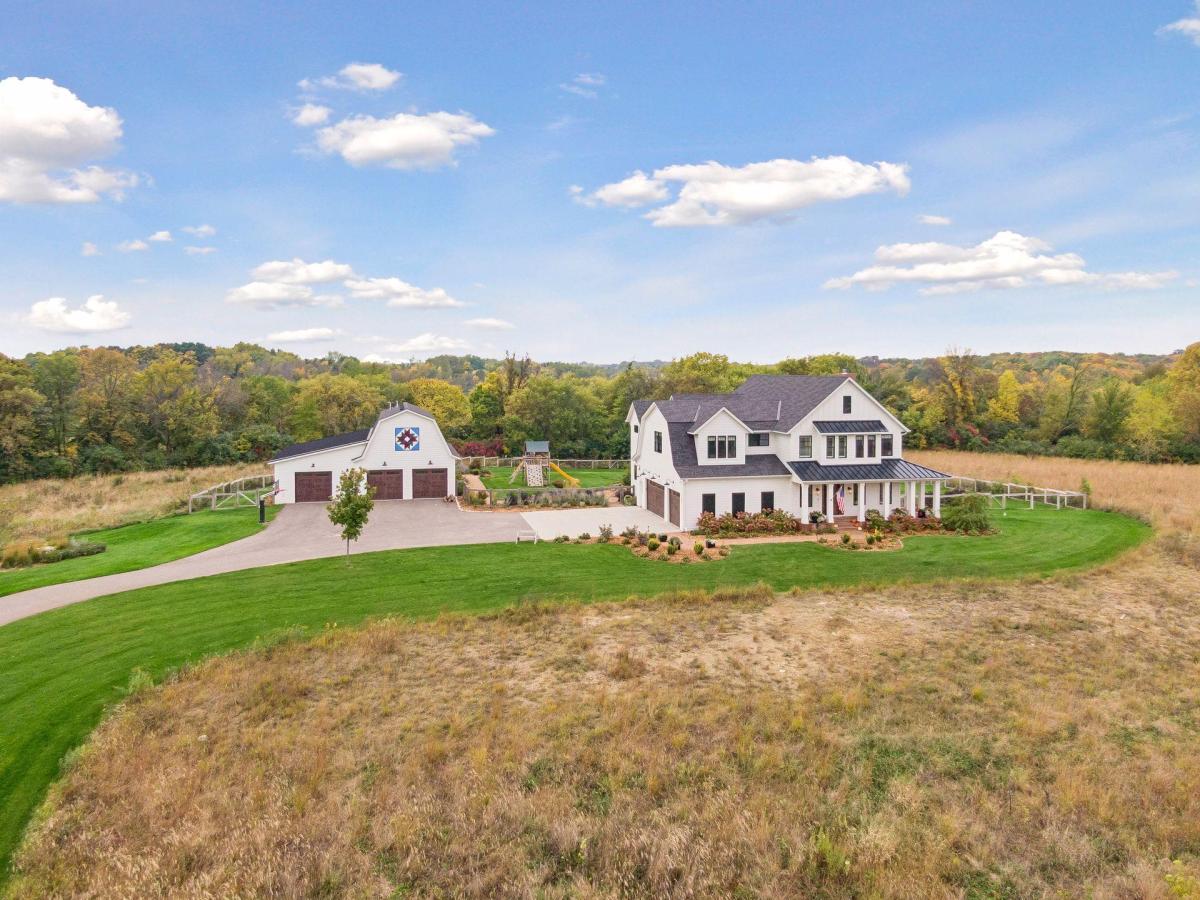
- MLS® #: NST7131017
- 7793 Ingram Street
- Greenfield MN 55357
- $2,100,000$
- 5 Bed | 6 Bath | 5,252 SqFt
- 11.63 Acres
Picture your mornings on your front porch, coffee in hand, with restored prairie rolling out in every direction and wide-open views. Set high on 11.6 …
8800 Grace N Lane, Greenfield, MN 55357ActiveVanderlinde Group | Edge Realty, Inc.
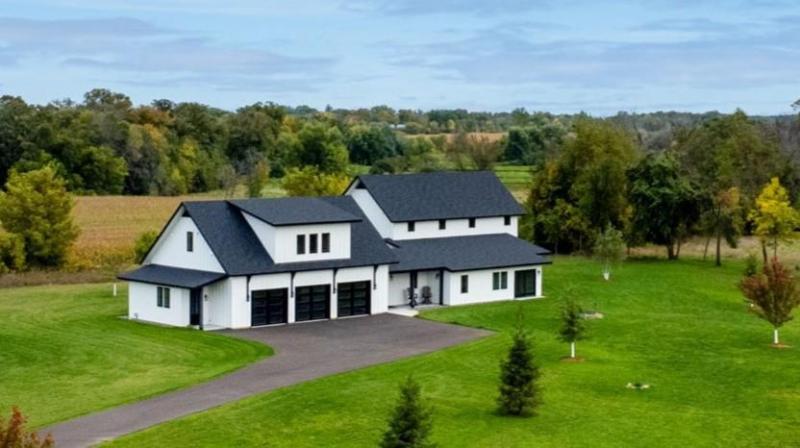
- MLS® #: NST7150041
- 8800 Grace N Lane
- Greenfield MN 55357
- $1,479,900$
- 5 Bed | 6 Bath | 4,477 SqFt
- 7.84 Acres
Just two years new, this custom built 5 bedroom, 6 bath home sits on nearly 8 acres and offers true main level living with three foot doors, 42+ inch …
5668 94th N Avenue, Greenfield, MN 55357ActiveEdina Realty, Inc.
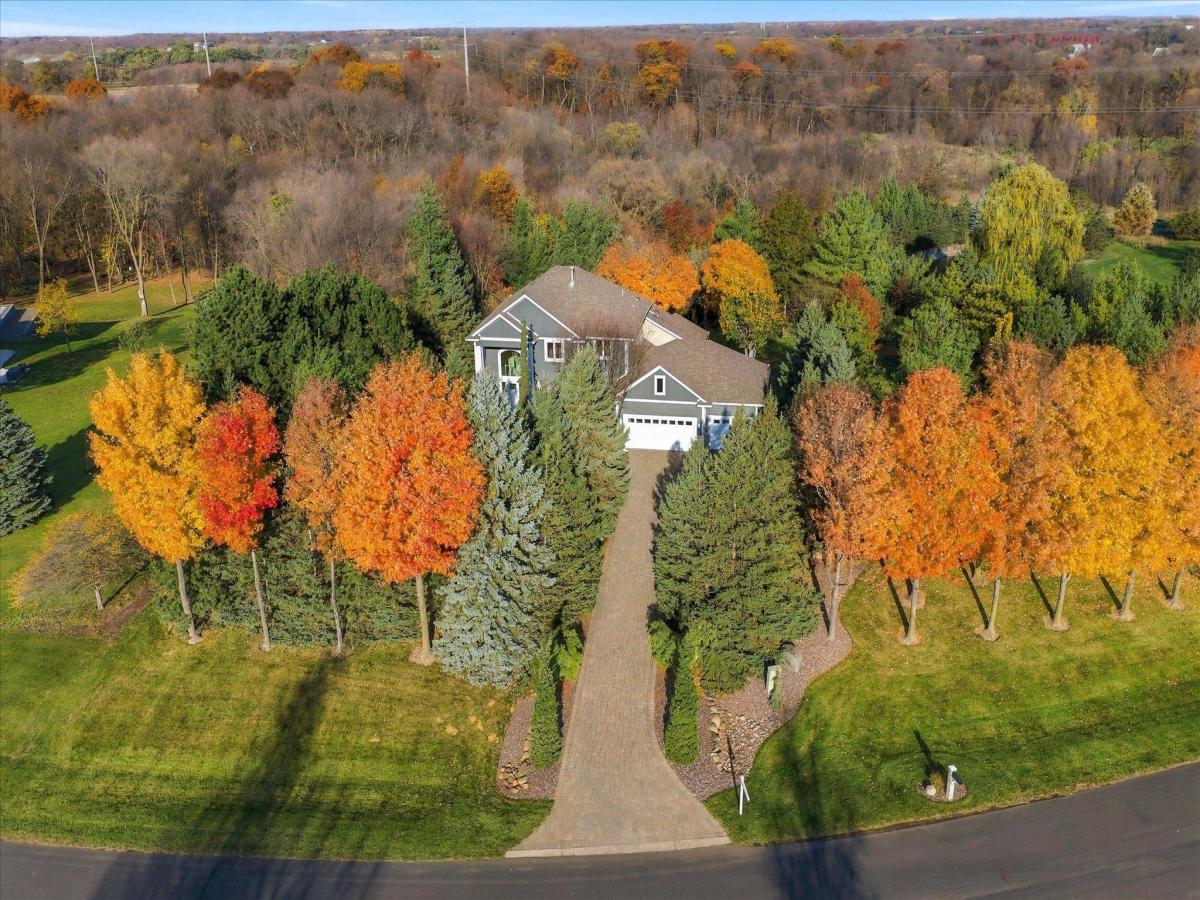
- MLS® #: NST7149369
- 5668 94th N Avenue
- Greenfield MN 55357
- $1,150,000$
- 4 Bed | 4 Bath | 3,203 SqFt
- 9.11 Acres
Welcome to this beautifully updated four-bedroom, four-bathroom two-story home situated on 9.11 private acres in a desirable cul-de-sac neighborhood i…
9520 Scott Street, Greenfield, MN 55373ActiveWoodside Equities
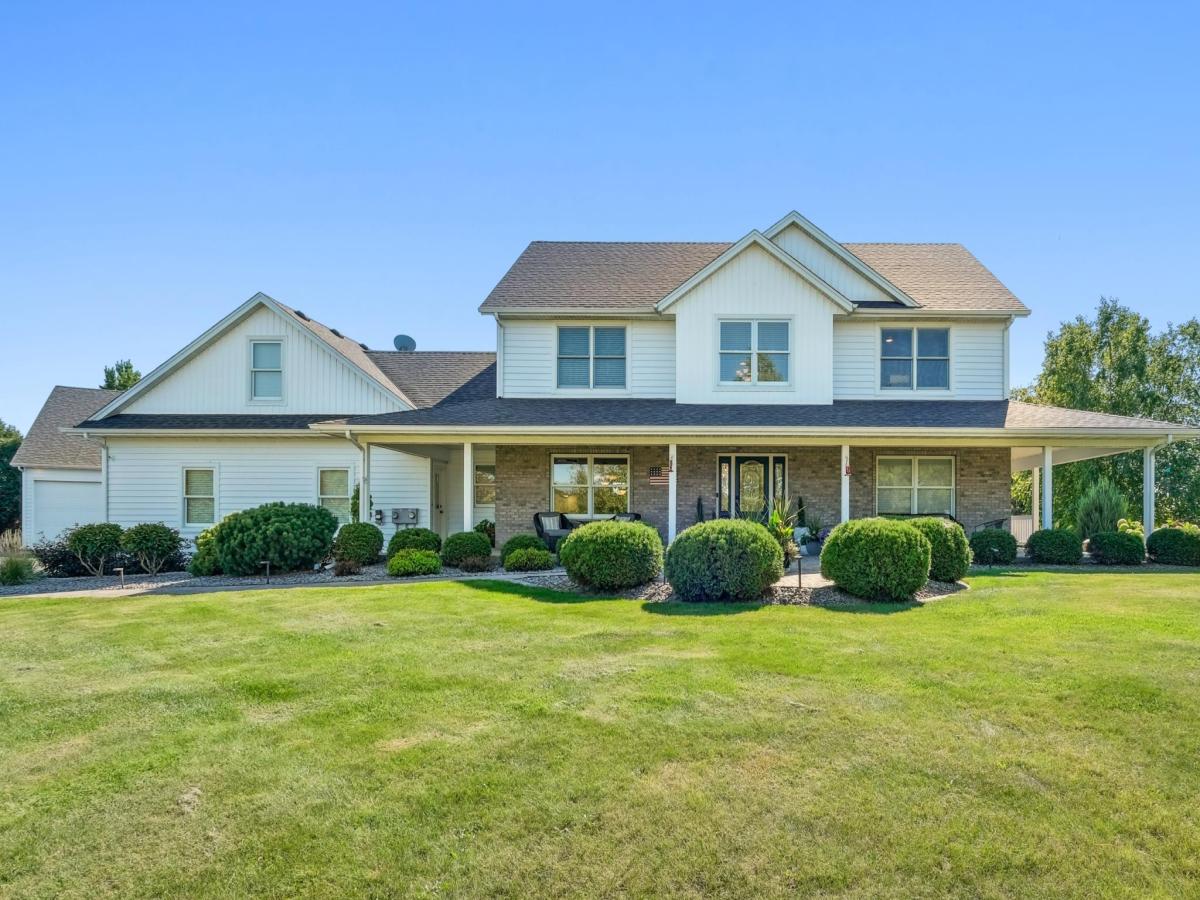
- MLS® #: NST7142183
- 9520 Scott Street
- Greenfield MN 55373
- $1,089,000$
- 4 Bed | 4 Bath | 4,326 SqFt
- 3.73 Acres
This one-of-a-kind home offers over 4,300 square feet of refined living space set on nearly four acres of beautifully maintained property. Blending ti…
7853 Kettering Creek Court, Greenfield, MN 55373ActiveJPW Realty
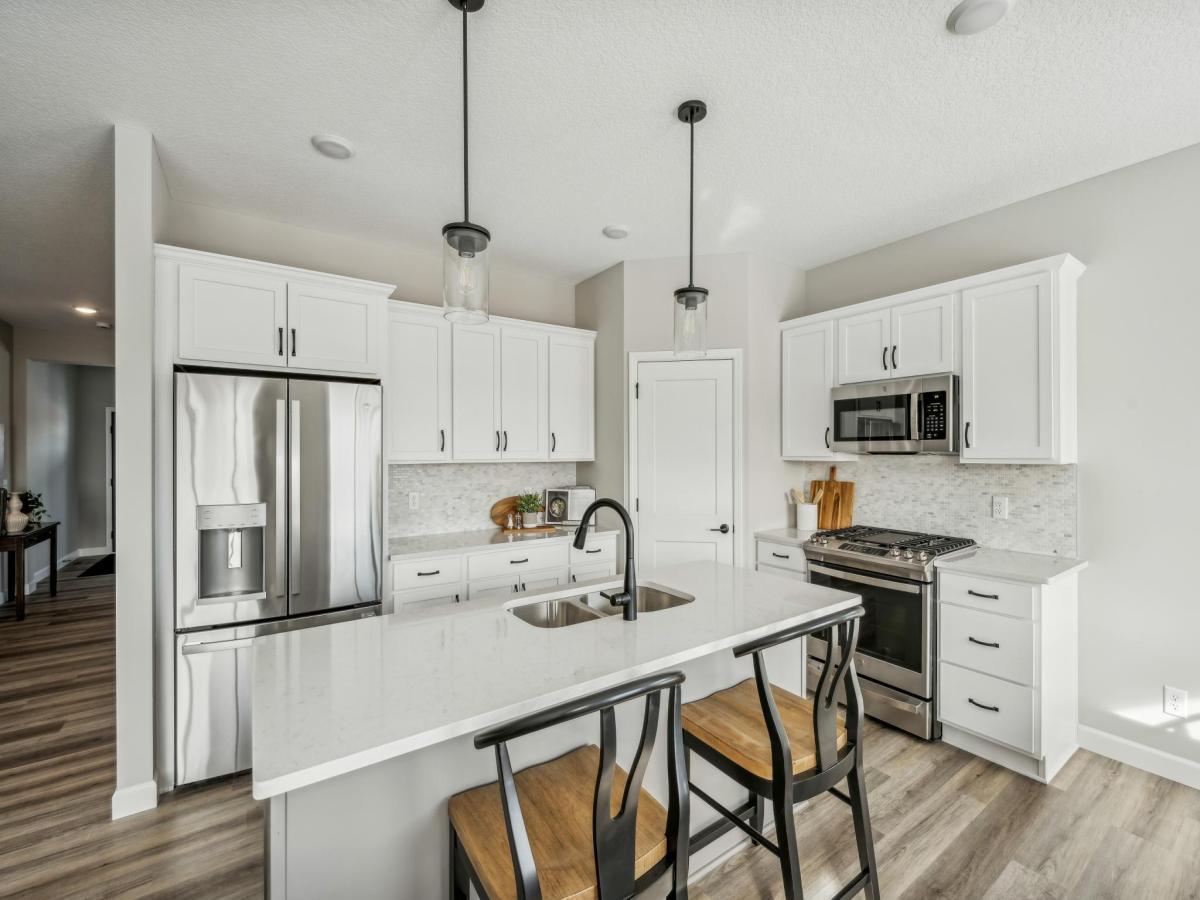
- MLS® #: NST7164365
- 7853 Kettering Creek Court
- Greenfield MN 55373
- $479,900$
- 4 Bed | 3 Bath | 2,775 SqFt
- 0.09 Acres
Enjoy the ease of villa living with the space and flexibility you’ve been looking for! The Madison by JP Brooks Builders offers 2,775 finished square …
7802 Bridgewater Court, Greenfield, MN 55373ActiveJPW Realty
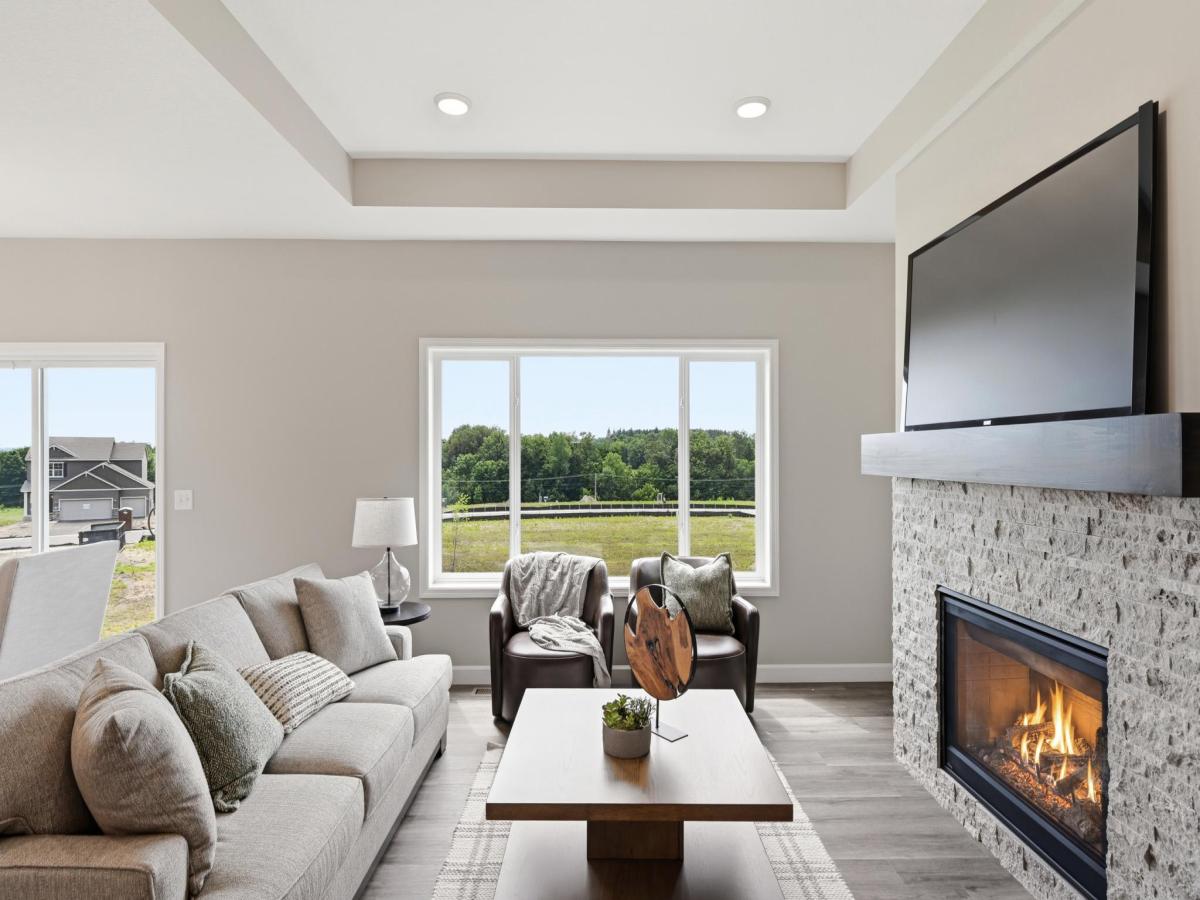
- MLS® #: NST7143455
- 7802 Bridgewater Court
- Greenfield MN 55373
- $434,900$
- 3 Bed | 2 Bath | 1,596 SqFt
- 0.09 Acres
The best homes don’t just fit the life you have today, they leave room for the life that’s still ahead. Welcome to the Madison by JP Brooks, where bea…
7803 Bridgewater Court, Greenfield, MN 55373ActiveJPW Realty
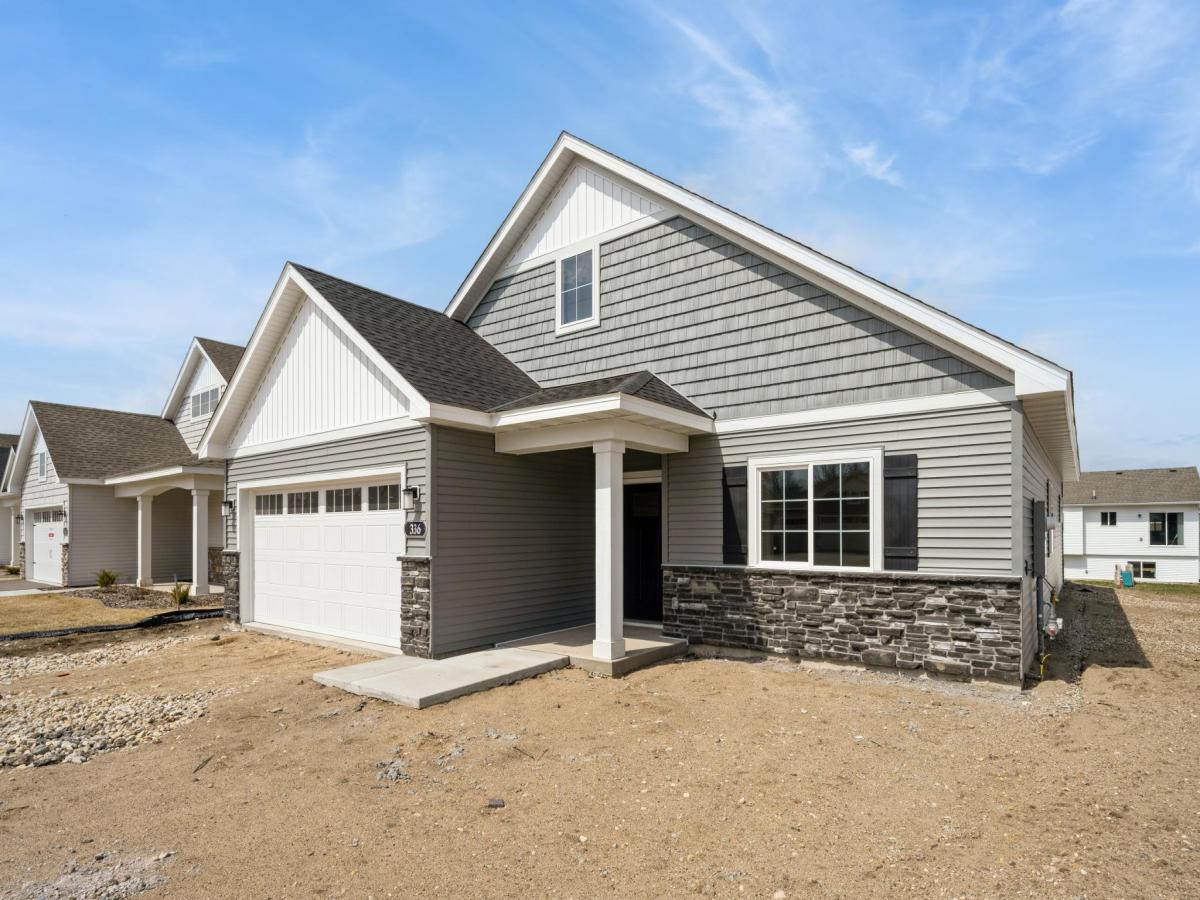
- MLS® #: NST7137884
- 7803 Bridgewater Court
- Greenfield MN 55373
- $407,900$
- 3 Bed | 2 Bath | 1,596 SqFt
- 0.09 Acres
Sometimes the best move isn’t about having more, it’s about having exactly what you need, beautifully designed around the way you want to live. Welcom…
TBD Hidden Lane, Greenfield, MN 55357ActivePremier Real Estate Services
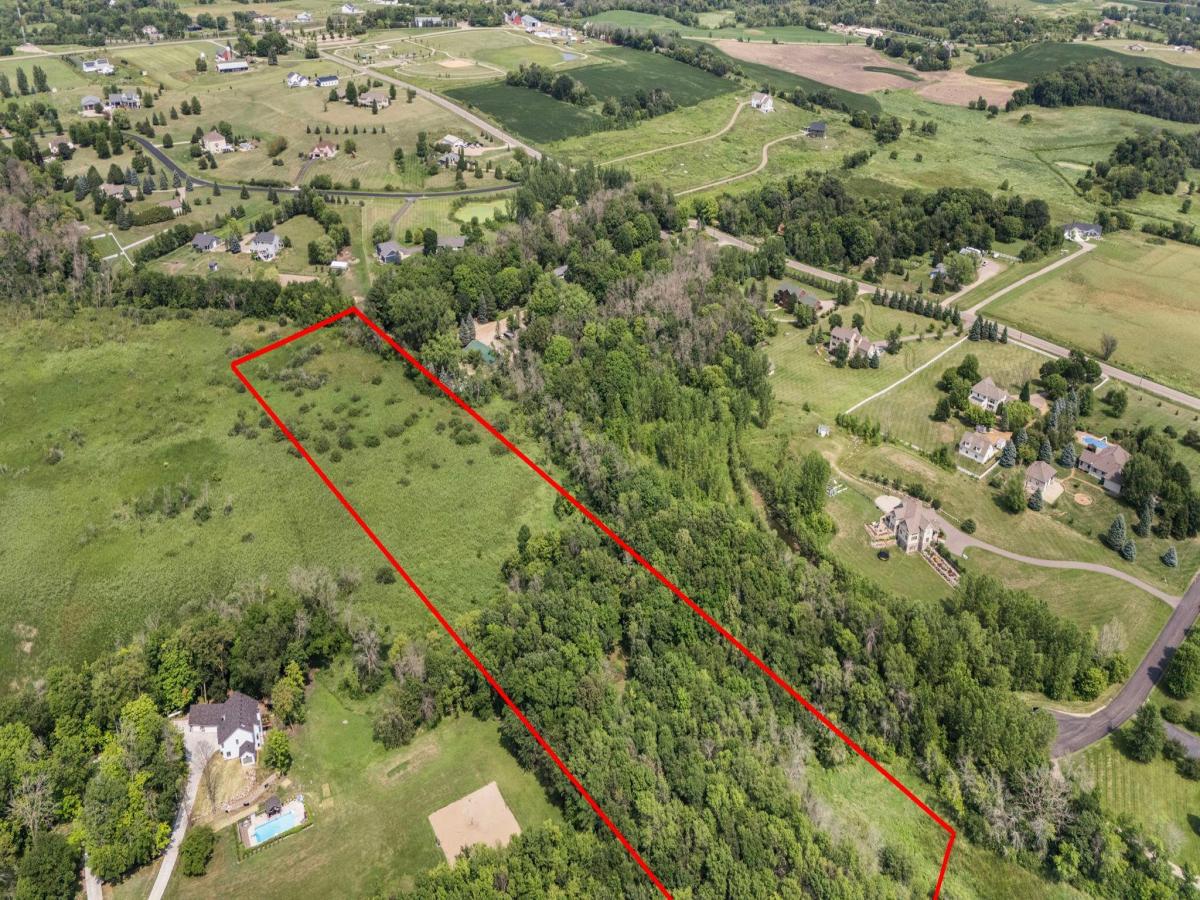
- MLS® #: NST7125304
- TBD Hidden Lane
- Greenfield MN 55357
- $280,000$
- Bed | Bath | SqFt
- 9.93 Acres
8695 Greenfield Road, Greenfield, MN 55357ActiveLPT Realty, LLC
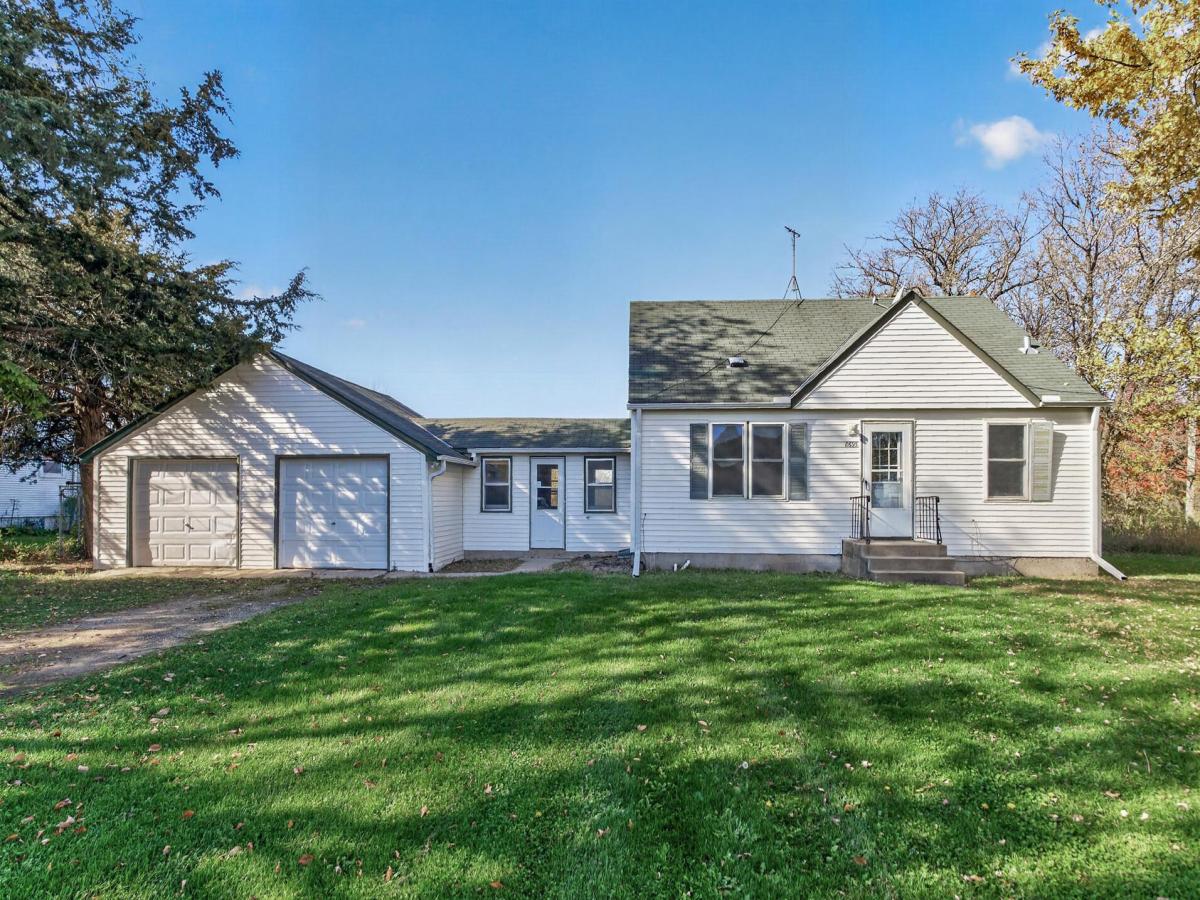
- MLS® #: NST7163045
- 8695 Greenfield Road
- Greenfield MN 55357
- $249,900$
- 3 Bed | 1 Bath | 975 SqFt
- 0.32 Acres
Great Opportunity in Beautiful Greenfield! This Super Cute 3-bedroom home offers a wonderful combination
of character, recent updates, and potential! …
6900 Nyle Court, Greenfield, MN 55373ActiveKeller Williams Classic Rlty NW
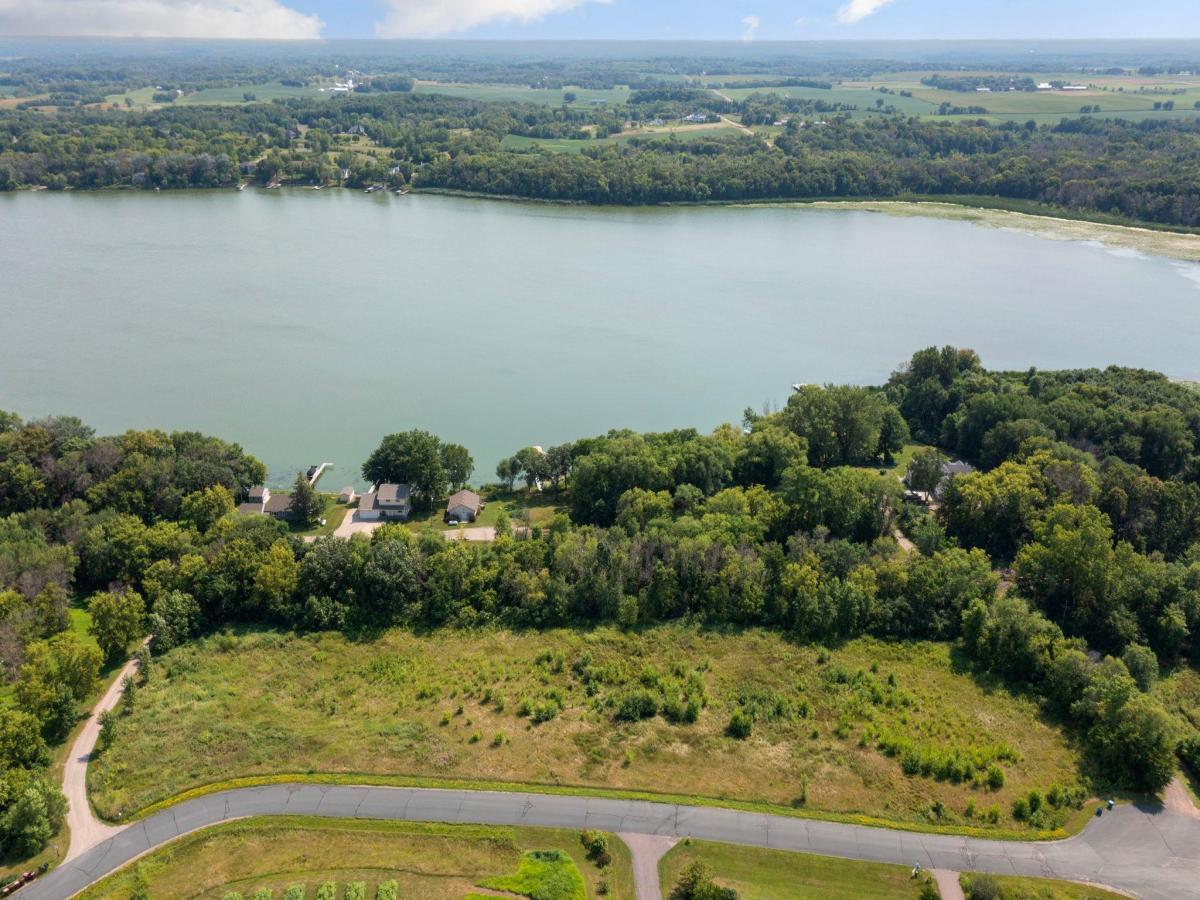
- MLS® #: NST7123318
- 6900 Nyle Court
- Greenfield MN 55373
- $234,900$
- Bed | Bath | SqFt
- 2.9 Acres
This gorgeous level lot sits on a small cul-de-sac in Greenfield, with panoramic views of Lake Sarah, a 557 acres of full-recreation water known for g…
7635 Red Fox Trail, Greenfield, MN 55373ActiveCompass
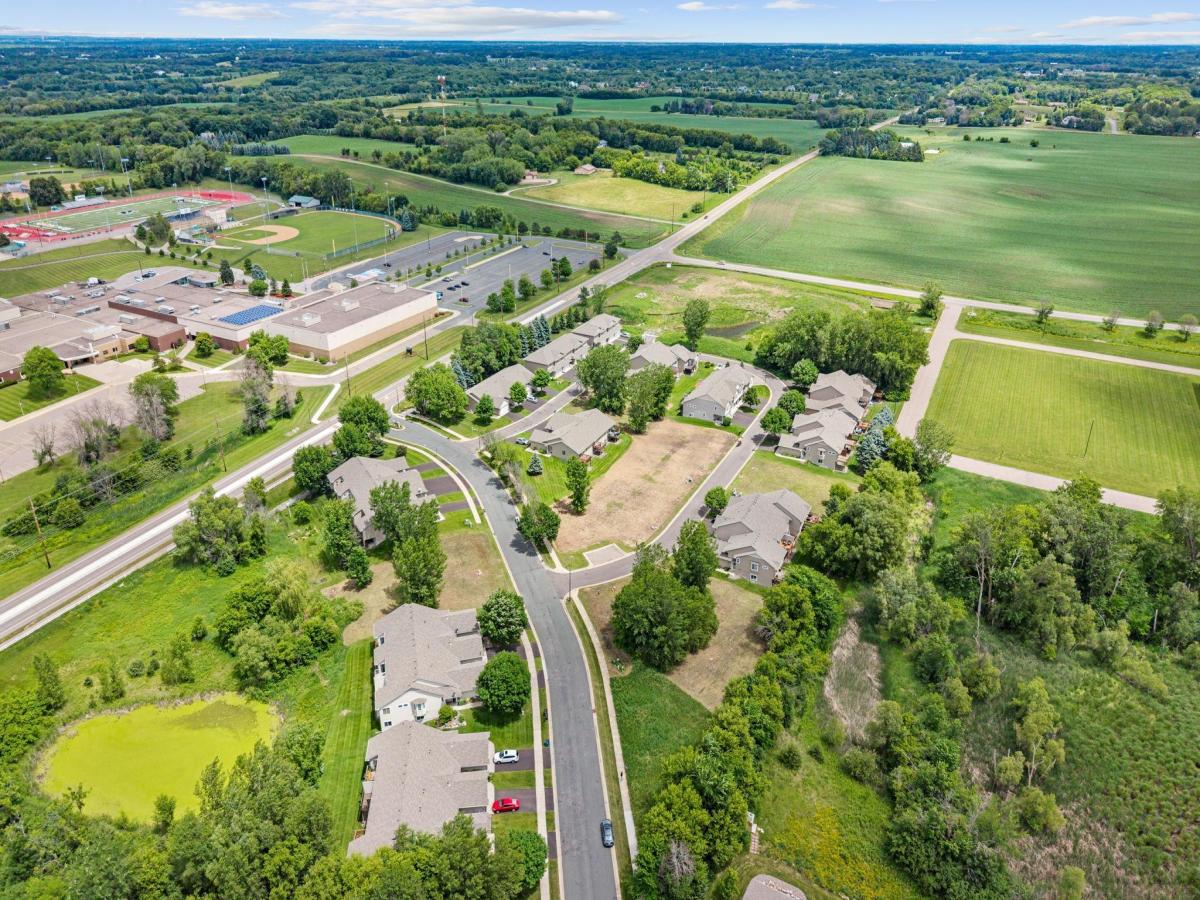
- MLS® #: NST7097738
- 7635 Red Fox Trail
- Greenfield MN 55373
- $150,000$
- Bed | Bath | SqFt
- 0.04 Acres
Rare opportunity to secure 20 ready to build townhome lots in the growing community of Greenfield. This offering includes four triplex pads ($49,000 p…
7627 Fox Creek Court, Greenfield, MN 55373ActiveCompass
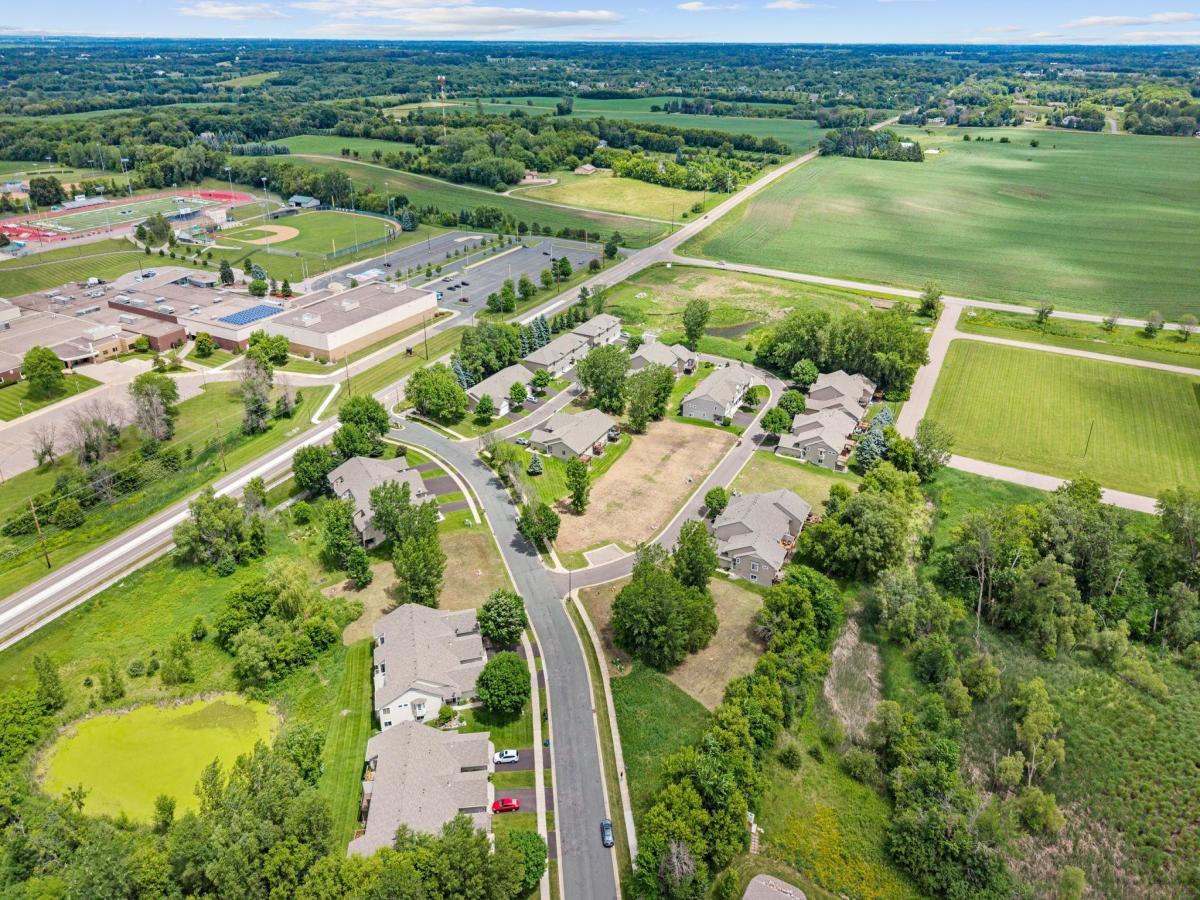
- MLS® #: NST7097723
- 7627 Fox Creek Court
- Greenfield MN 55373
- $150,000$
- Bed | Bath | SqFt
- 0.04 Acres
Rare opportunity to secure 20 build ready townhome lots in the growing community of Greenfield. This offering includes four triplex pads ($49,000 per …
7621 Red Fox Trail, Greenfield, MN 55373ActiveCompass
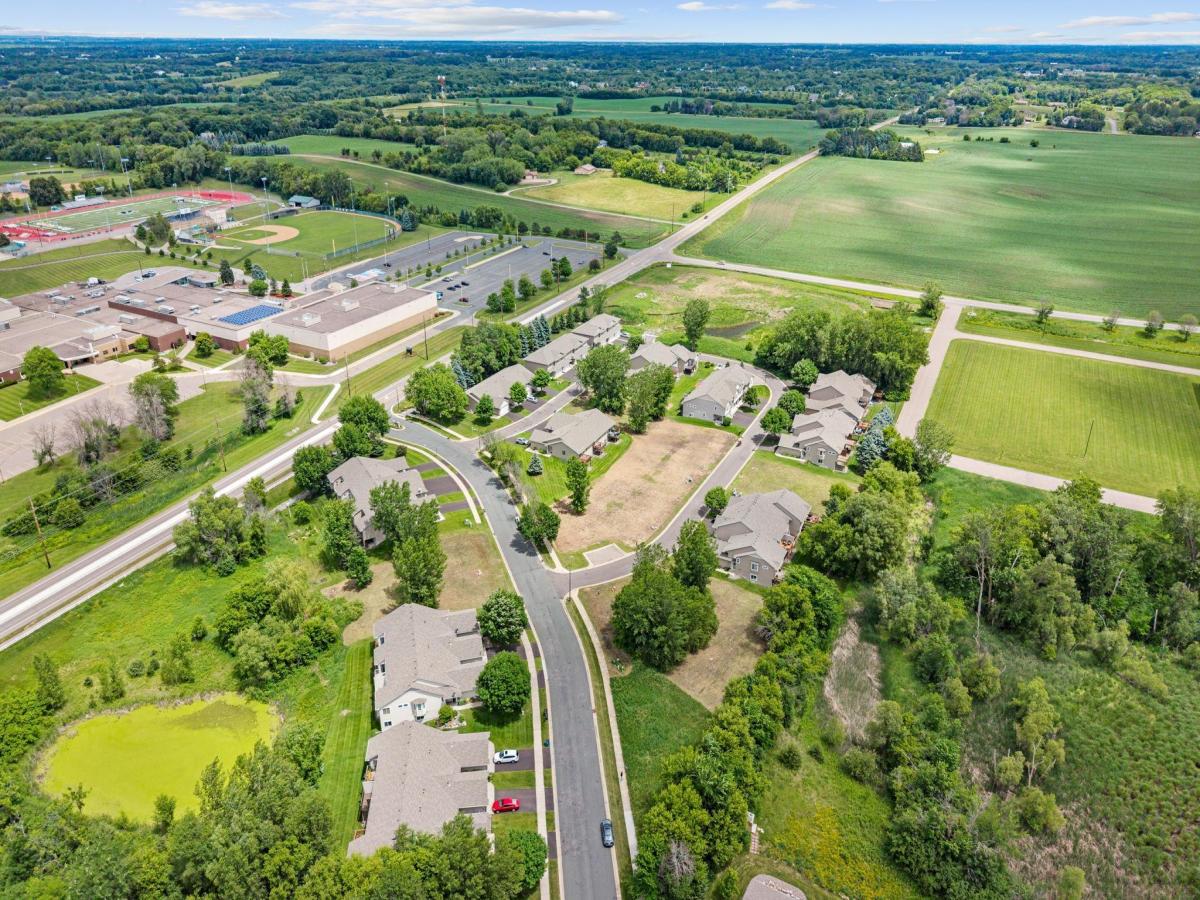
- MLS® #: NST7097694
- 7621 Red Fox Trail
- Greenfield MN 55373
- $150,000$
- Bed | Bath | SqFt
- 0.04 Acres
Rare opportunity to secure 20 ready to build townhome lots in the growing community of Greenfield. This offering includes four triplex pads ($49,000 p…
7195 Sterling Drive, Greenfield, MN 55373ActiveCompass
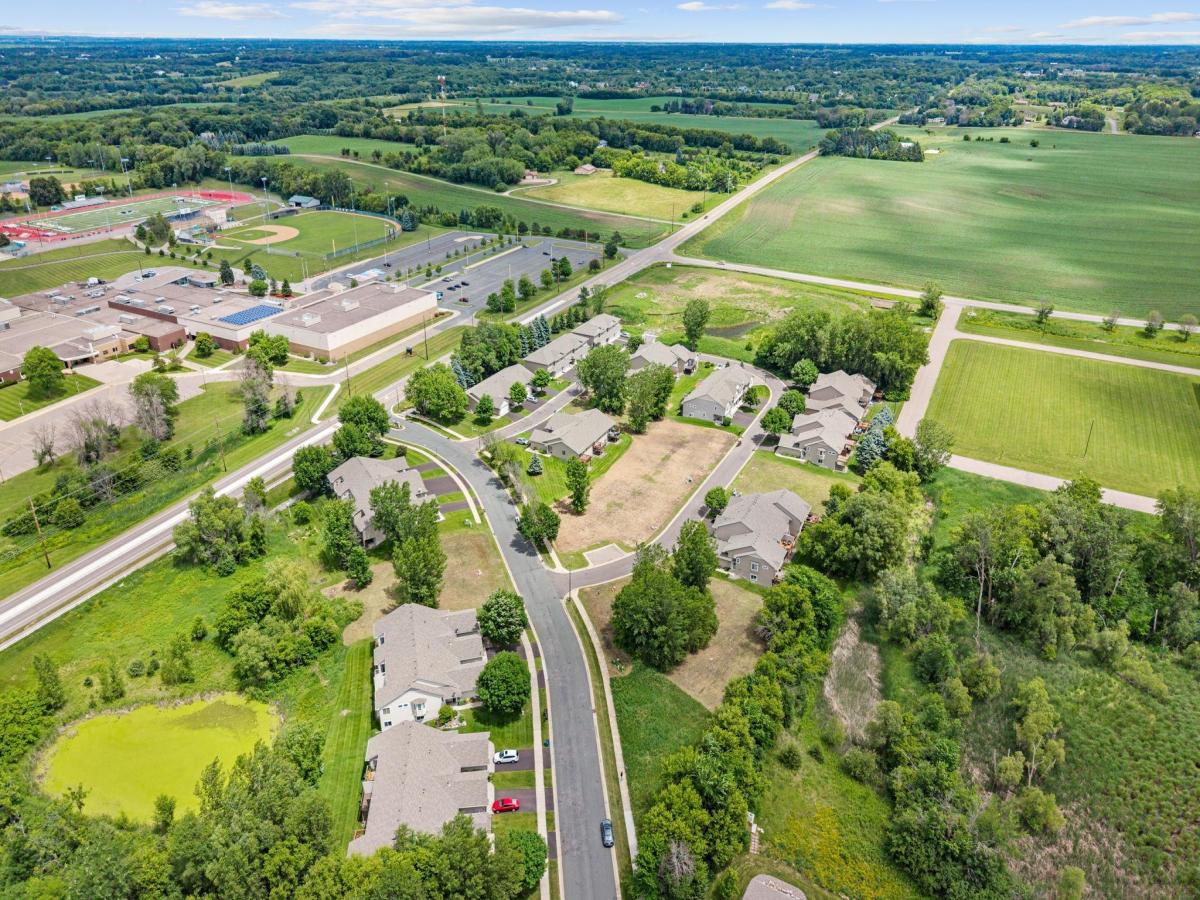
- MLS® #: NST7097582
- 7195 Sterling Drive
- Greenfield MN 55373
- $150,000$
- Bed | Bath | SqFt
- 0.04 Acres
Rare opportunity to secure 20 ready to build townhome lots in the growing community of Greenfield. This offering includes four triplex pads ($49,000 p…
7624 Red Fox Trail, Greenfield, MN 55373ActiveCompass
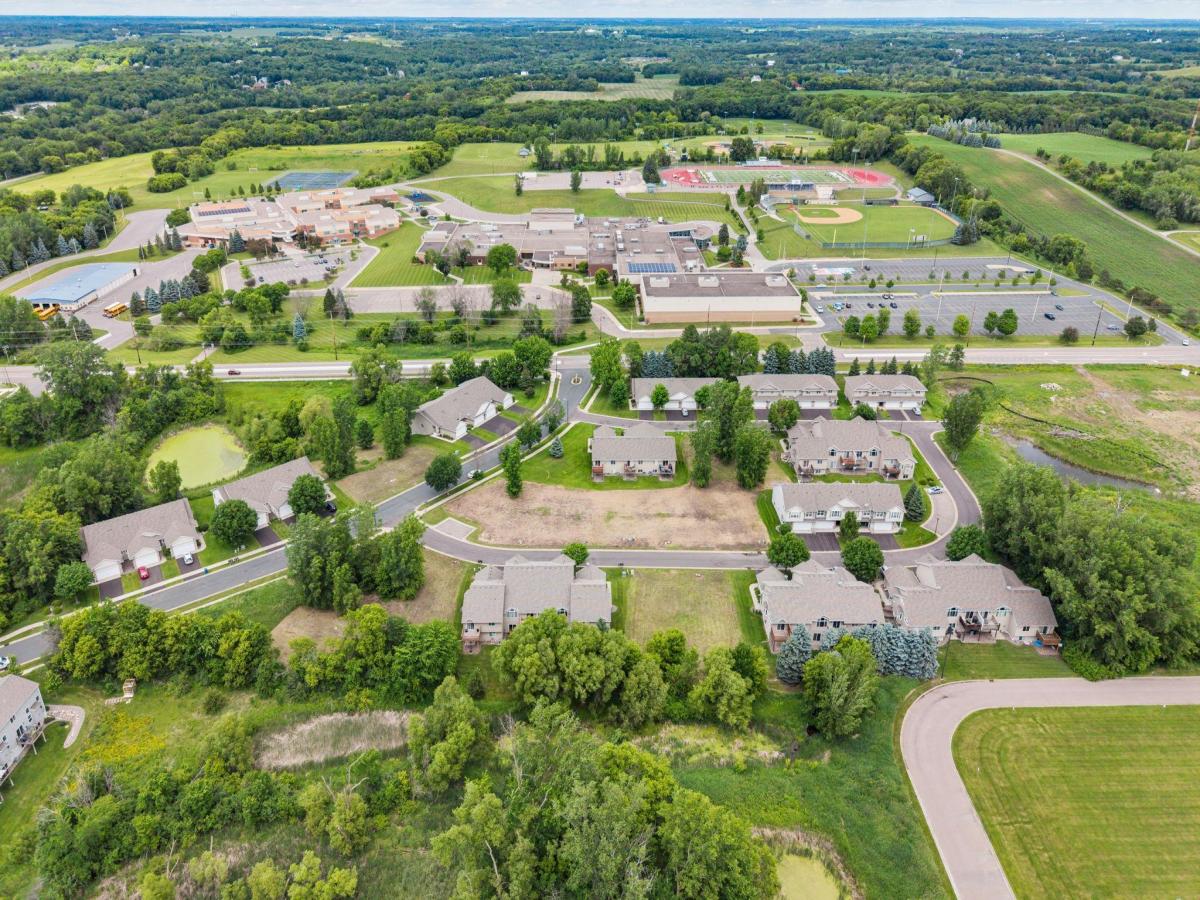
- MLS® #: NST7097711
- 7624 Red Fox Trail
- Greenfield MN 55373
- $147,000$
- Bed | Bath | SqFt
- 0.04 Acres
Rare opportunity to secure 20 ready to build townhome lots in the growing community of Greenfield. This offering includes four triplex pads ($49,000 p…
7616 Red Fox Trail, Greenfield, MN 55373ActiveCompass
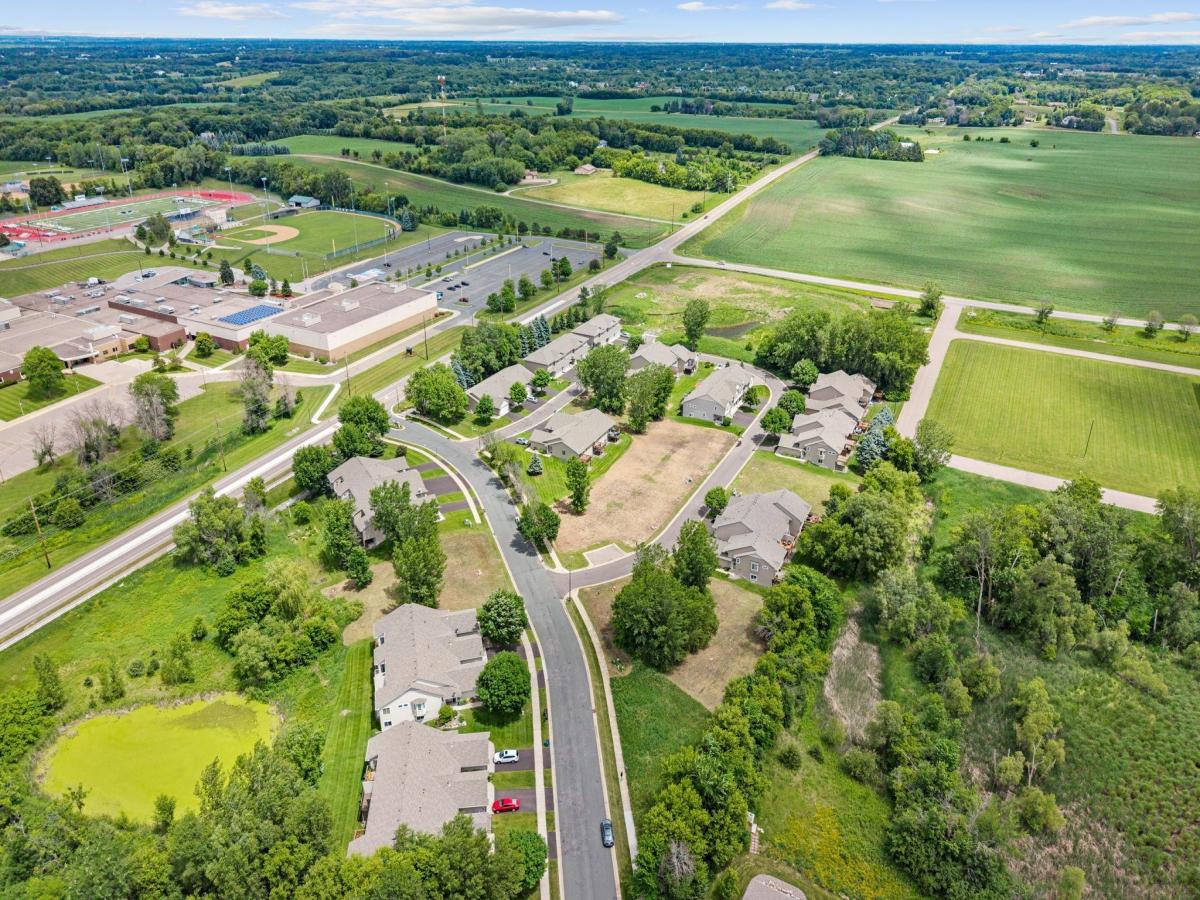
- MLS® #: NST7097667
- 7616 Red Fox Trail
- Greenfield MN 55373
- $147,000$
- Bed | Bath | SqFt
- 0.04 Acres
Rare opportunity to secure 20 ready to build townhome lots in the growing community of Greenfield. This offering includes four triplex pads ($49,000 p…
The data relating to real estate for sale on this site comes from the Northstar MLS as distributed by MLS GRID. All data is obtained from various sources and may not have been verified by broker or MLS GRID. Supplied Open House Information is subject to change without notice. All information should be independently reviewed and verified for accuracy.
IDX information is provided exclusively for consumers personal noncommercial use, that it may not be used for any purpose other than to identify prospective properties consumers may be interested in purchasing, that the data is deemed reliable but is not guaranteed by MLS GRID, and that the use of the MLS GRID Data may be subject to an end user license agreement prescribed by the Member Participants applicable MLS if any and as amended from time to time. MLS GRID may, at its discretion, require use of other disclaimers as necessary to protect Member Participant, and/or their MLS from liability.
All properties are subject to prior sale, changes, or withdrawal.
This site was last updated 10-27-2026 11:48:51 PM.